
How Does a Flex PCB Supplier Assist with Design Challenges?
In today’s rapidly advancing electronics industry, the demand for smaller, more efficient, and flexible electronic devices continues to grow. Flexible printed circuit boards (flex PCBs) are becoming a crucial component in meeting these needs, offering a unique solution for applications in smartphones, wearables, medical devices, automotive electronics, and more. However, designing a flexible PCB involves specific challenges that require expertise. A professional flex PCB supplier plays a pivotal role in overcoming these design hurdles, ensuring that the final product meets performance, reliability, and manufacturability standards.
1. Expertise in Material Selection
One of the primary challenges in designing flex PCBs is choosing the right materials. Unlike traditional rigid PCBs, flex PCBs are made from materials that need to bend without compromising electrical conductivity or physical integrity. A skilled flex pcb supplier can guide engineers in selecting the best base materials (like polyimide or polyester) that provide the required flexibility, thermal stability, and durability for the application. This ensures that the board can withstand constant bending, vibration, and environmental stress without failure.
2. Providing Design Consultation and Support
A flex PCB supplier doesn’t just manufacture boards—they also offer valuable design consultation services. From the initial concept phase, they can help identify potential pitfalls, such as signal integrity issues, power distribution challenges, and space constraints. They understand how various factors, such as trace width, spacing, and layer stacking, can affect the performance and reliability of a flexible PCB. By collaborating early in the design process, a flex PCB supplier ensures that the final product is optimized for both functionality and manufacturability.
3. Reducing Complexities in Layout
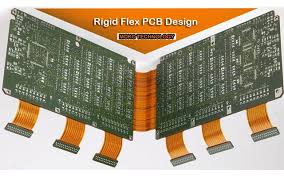
Flexible PCBs often have intricate layouts due to their ability to conform to unique shapes and bend around components. This adds complexity to the design, especially when it comes to routing traces and managing heat dissipation. A flex PCB supplier has the tools and experience to handle these complexities effectively. They use advanced software and simulation tools to predict how the board will behave under different conditions, ensuring that the design remains robust and reliable. Additionally, their knowledge of industry standards helps prevent errors that could lead to costly delays or performance issues.
4. Prototyping and Testing
Before mass production, prototyping and testing are essential steps in ensuring that the design works as intended. A trusted flex PCB supplier provides rapid prototyping services, allowing designers to test their concepts quickly and make any necessary adjustments. Whether it’s checking for signal integrity, testing the flexibility of the material, or assessing the overall durability, prototyping provides a crucial opportunity to catch design flaws early. This iterative process helps reduce the risk of failure once the PCB enters full-scale production.
5. Addressing Manufacturing Constraints
Manufacturing flexible PCBs involves more than just design considerations. There are also specific constraints related to fabrication techniques, such as the handling of thin materials, precise etching, and maintaining tight tolerances during the assembly process. A reliable flex PCB supplier brings extensive knowledge of manufacturing processes and can recommend design modifications that make the board easier and more cost-effective to produce. Whether it’s simplifying the layout to reduce manufacturing complexity or ensuring that the board can be assembled without issues, their experience minimizes potential production setbacks.
Conclusion
Working with a knowledgeable flex PCB supplier is crucial for addressing the unique design challenges associated with flexible circuit boards. From material selection to design consultation, prototyping, and manufacturing, these suppliers provide essential support to ensure that flexible PCBs meet both design specifications and industry standards. By partnering with a trusted supplier, engineers can navigate the complexities of flex PCB design with confidence, resulting in high-quality, reliable products that are ready for the challenges of modern electronics.
