
WorldAnimalFoundation.org is reader-supported. When you buy through links on our site, we may earn an affiliate commission. Learn More
Not every dog craves constant attention or thrives on human companionship. Some breeds are naturally independent, preferring to spend time on their own without excessive human interaction.
These independent dog breeds are ideal for owners who appreciate a pet that requires less constant attention but still enjoys moments of affection. Whether you live a busy lifestyle, travel frequently, or simply prefer a dog that values its alone time, choosing an independent breed can be a perfect fit.
This guide explores nine remarkable independent breeds that are intelligent, self-sufficient, and capable of entertaining themselves without developing separation anxiety. If you’re searching for a loyal yet independent dog, read on to discover which breed suits your lifestyle best.
Independent Dog Breeds
1. Chow Chow
According to the American Kennel Club (AKC), the Chow Chow is one of the most well-known independent dog breeds, originally bred in China as a guard dog. This breed is known for its lion-like appearance, dense double coat, and signature blue-black tongue. Chow Chows tend to be aloof and reserved, making them excellent watchdogs.
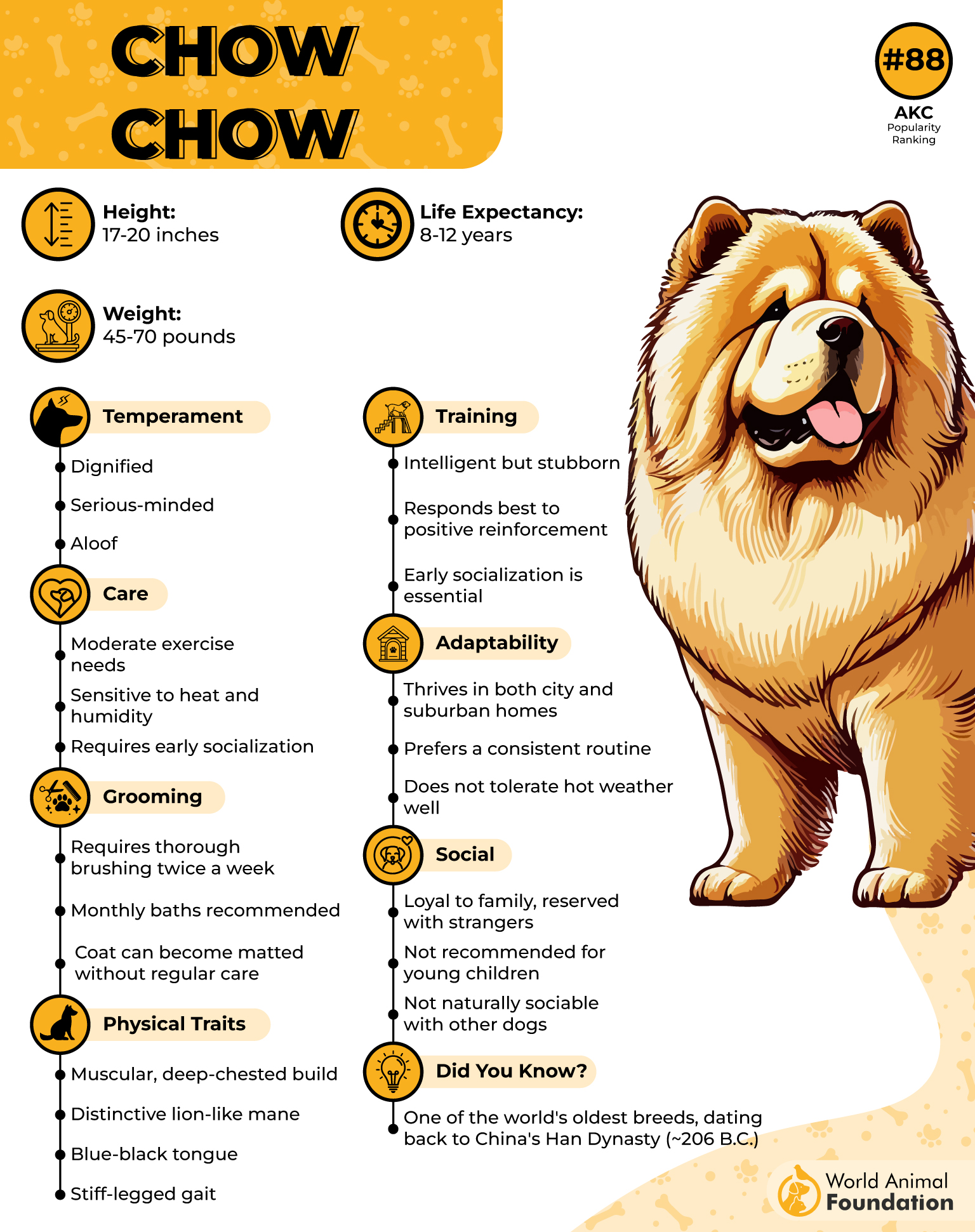
Despite their independent nature, they can form strong bonds with their human family members but often prefer to interact on their own terms.
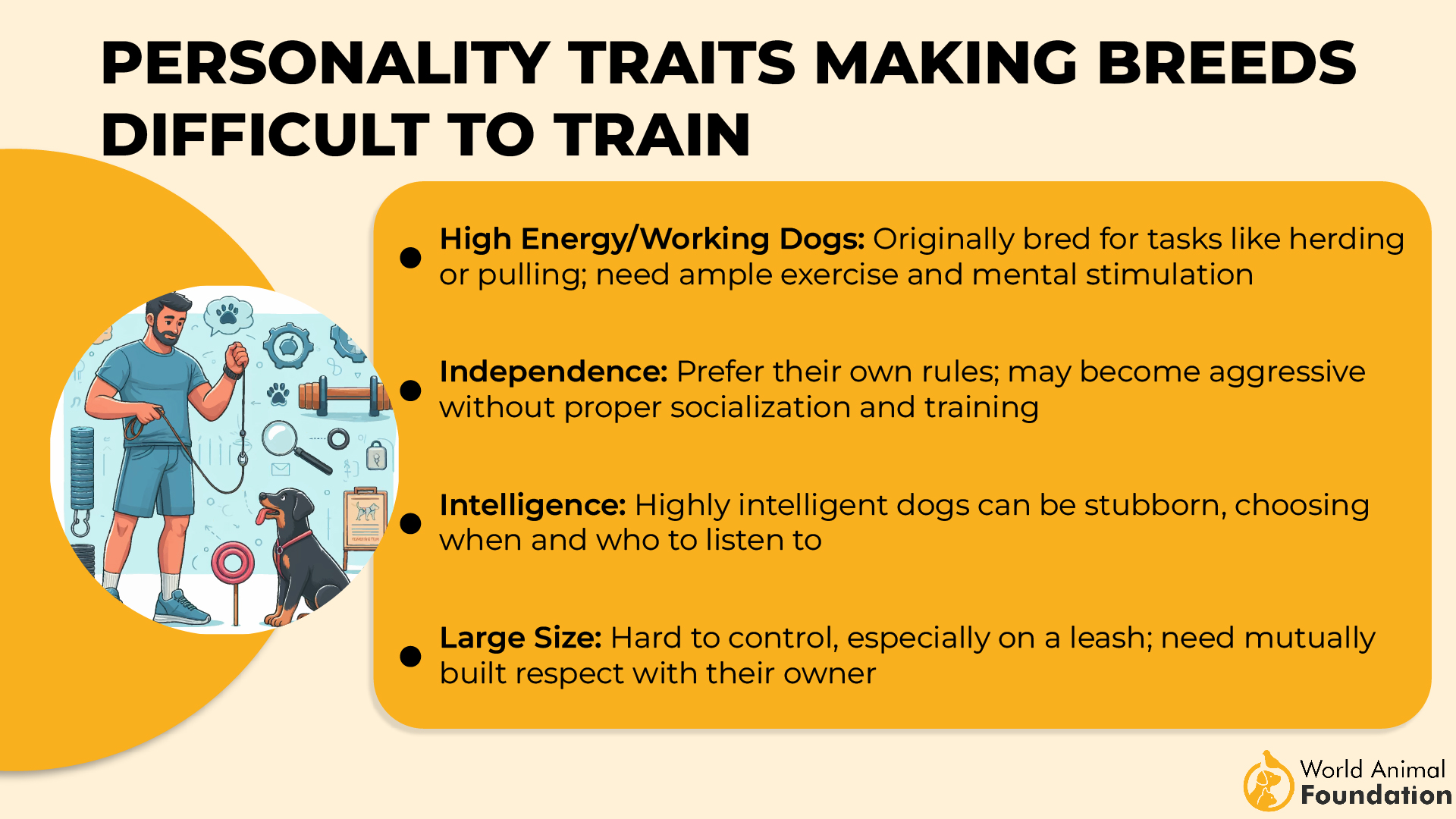
Unlike most dogs, they do not constantly seek attention, making them ideal for busy owners. However, proper training is essential to manage their stubborn tendencies.
Grooming is another aspect to consider, as Chow Chows require moderate grooming due to their thick fur. Regular brushing is necessary to prevent matting and keep their coat in excellent condition. While they enjoy occasional play, they do not demand as much exercise as high-energy working dogs.
These intelligent and independent dogs thrive in a calm household with an owner who respects their space. Socialization from a young age is crucial to prevent behavior issues and ensure they remain well-mannered with strangers and other dogs.
2. Greyhound
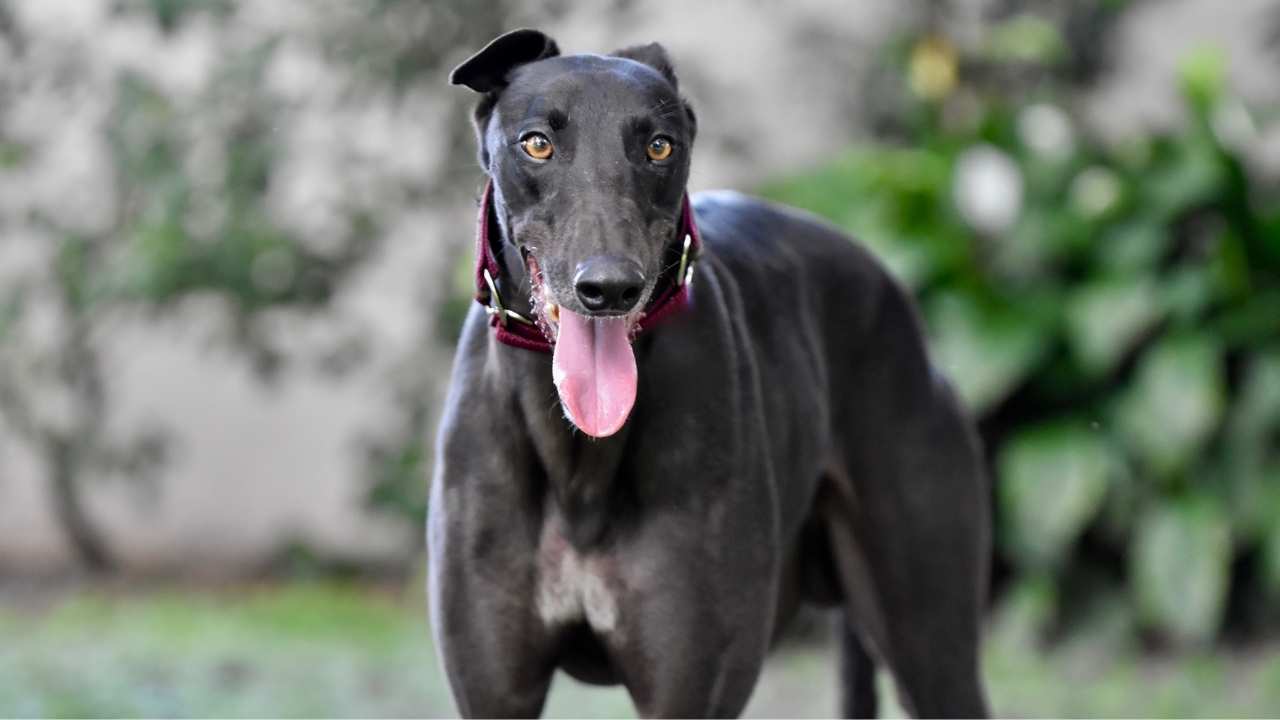
According to Britannica, Greyhounds may be famous for their incredible speed, but they are surprisingly low-maintenance and independent dogs. Originally bred for hunting and racing, Greyhounds are one of the most adaptable breeds, capable of being both active and calm when needed.
Despite their athletic background, Italian Greyhounds and standard Greyhounds are known for their ability to relax and rest for long periods, making them an excellent choice for apartment living. They enjoy human interaction but do not constantly demand attention like some affectionate dog breeds.

Their short coat requires minimal grooming, making them an excellent low-maintenance breed. Greyhounds also tend to have a calm and gentle temperament, getting along well with other breeds and even cats if properly introduced.
One thing to consider is their strong prey drive. If let off-leash, they may instinctively chase small animals, so keeping them secured during walks is essential. With proper training and a safe environment, Greyhounds make fantastic companions for those looking for an independent yet loving pet.
3. Afghan Hound
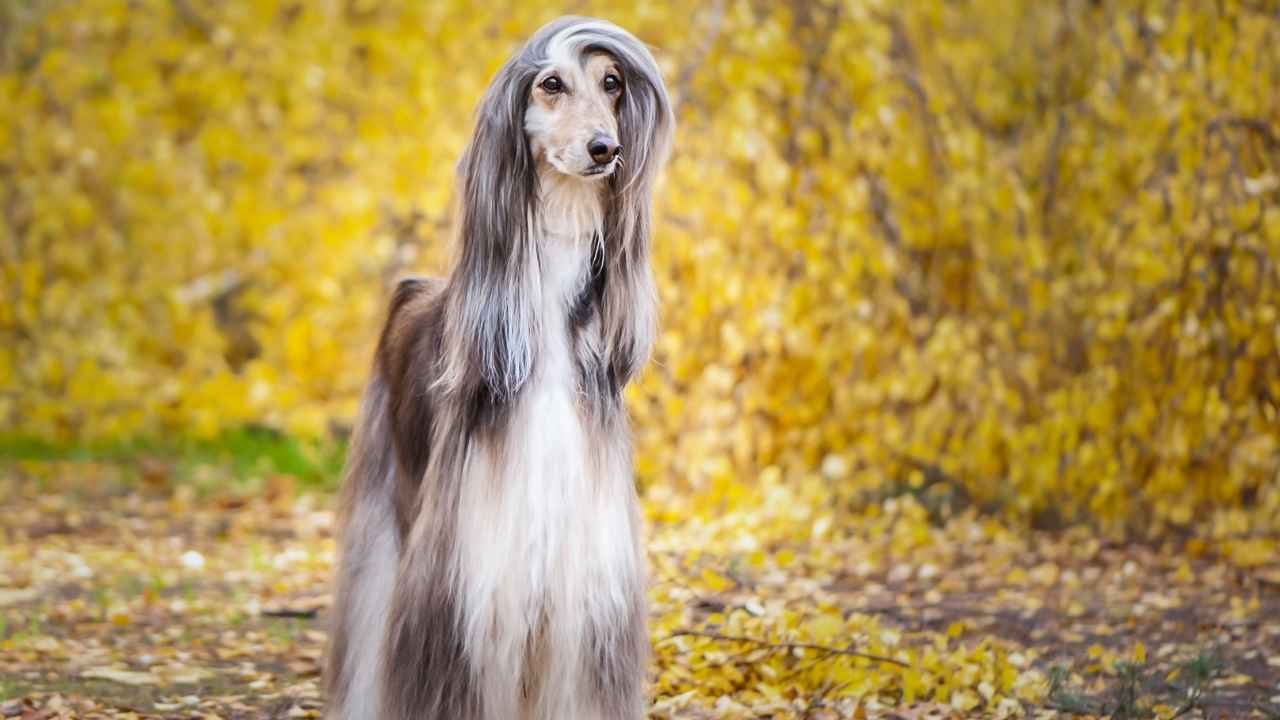
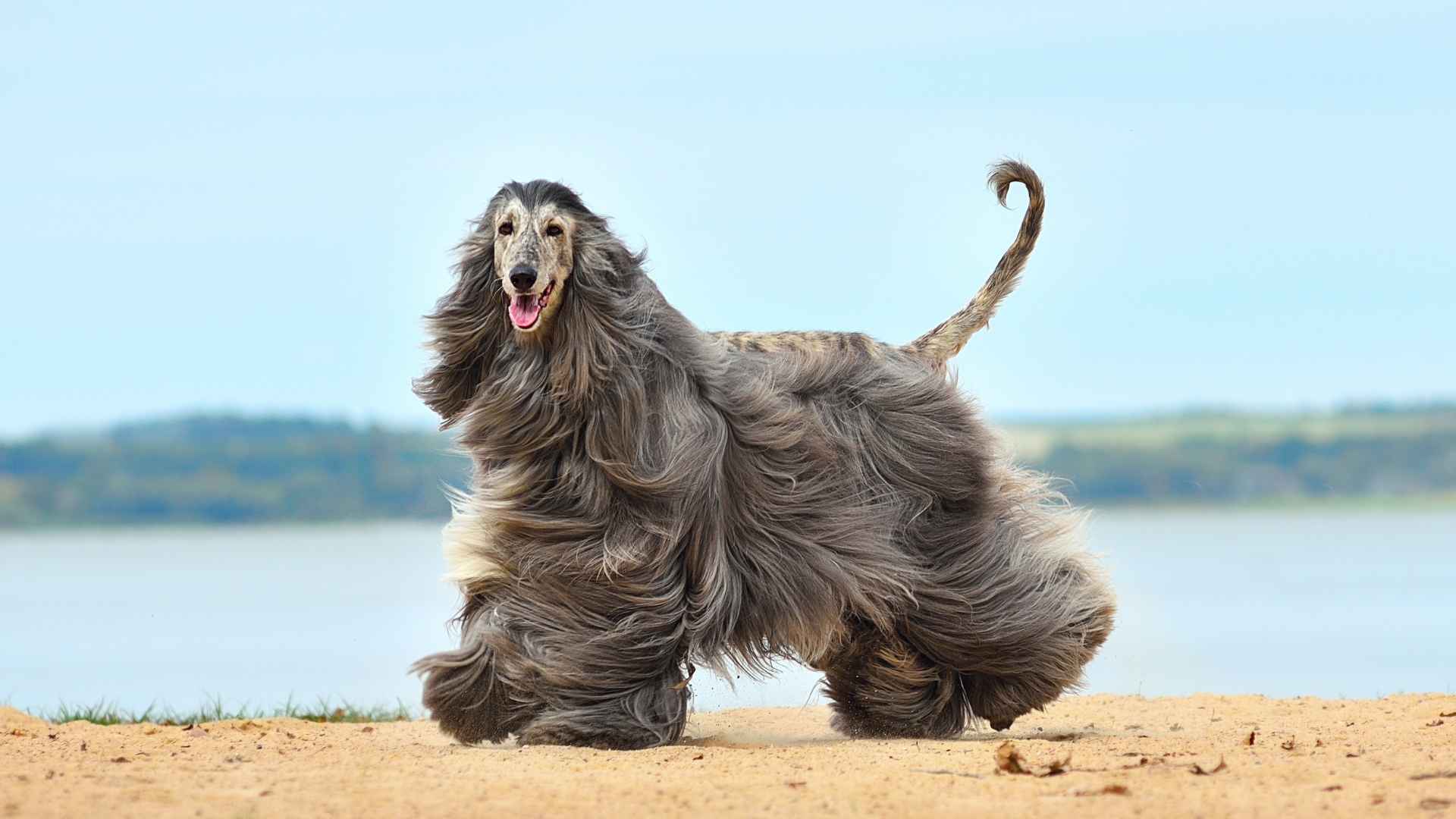
The Afghan Hound is a breed that perfectly balances elegance and independence. Known for their long, silky coats and regal demeanor, Afghan Hounds were originally bred as hunting dogs in the mountains of Afghanistan. They possess an aloof nature and often prefer their own devices over constant human interaction.
While they are affectionate towards their owners, they do not exhibit the clingy behavior that some friendly dogs do. This breed is intelligent but has a stubborn streak, making training a bit challenging. However, their loyalty and unique personality make them a rewarding companion for patient owners.
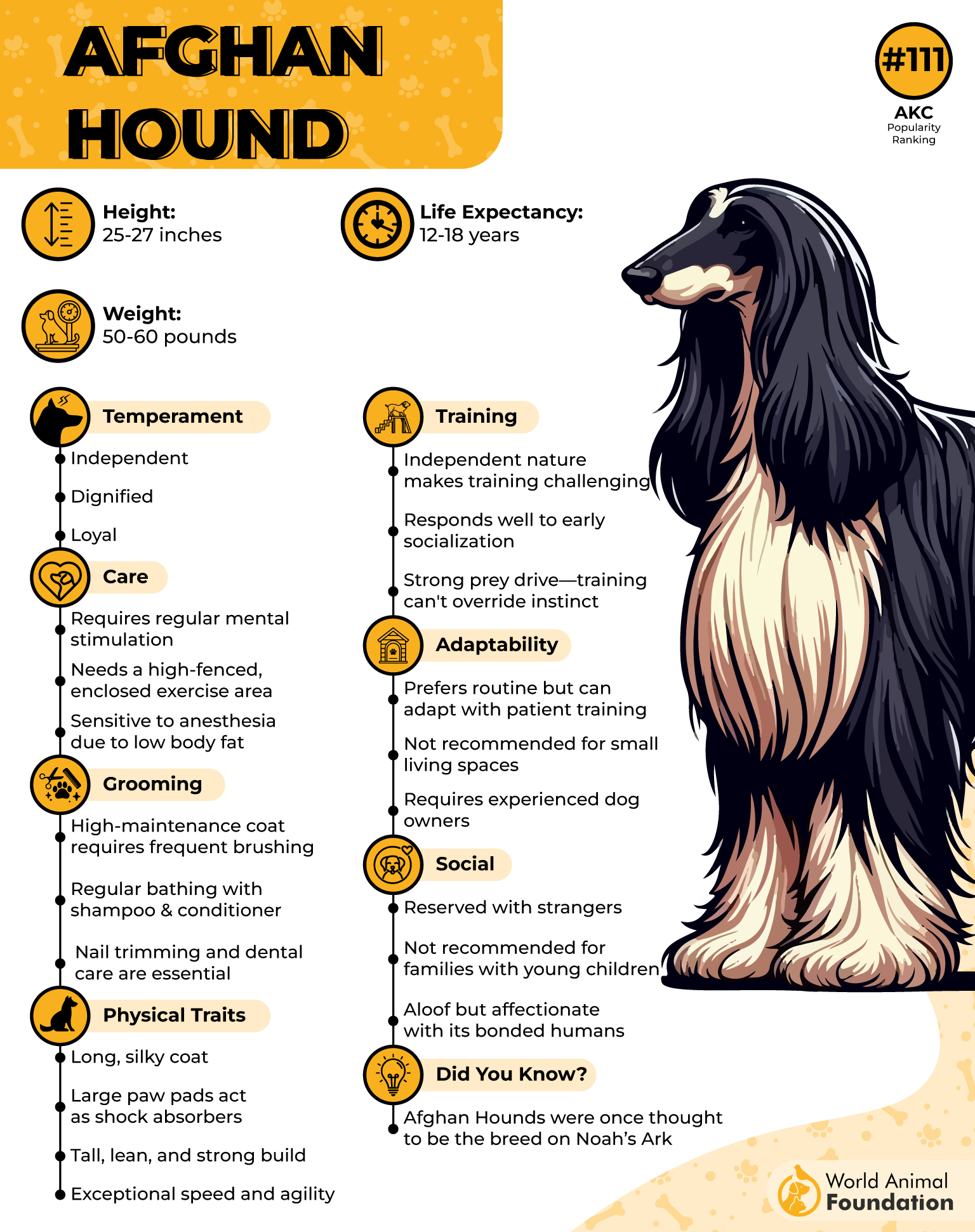
Afghan Hounds require moderate grooming due to their luxurious coat, but their independent nature allows them to manage well when left alone.
They enjoy bursts of high energy during play but are equally content lounging around the house, making them a great choice for those who appreciate a mix of activity and relaxation.
Their strong prey drive means they may chase small animals, so keeping them on a leash during walks is advisable. Despite their independence, they still develop strong bonds with their owners and enjoy engaging in interactive play sessions.
4. Basset Hound
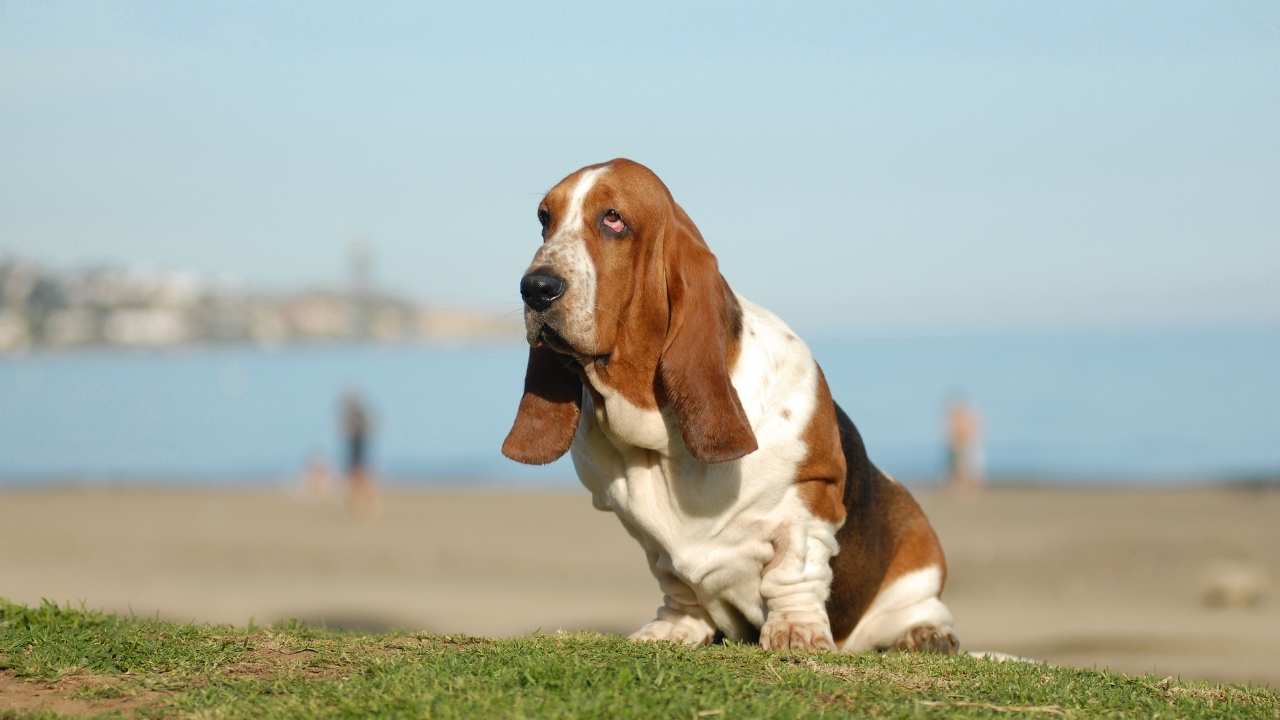
Despite their droopy expressions and slow-moving nature, Basset Hounds are highly independent. Originally bred for hunting, they possess a strong sense of smell and tend to follow their noses rather than instructions.
According to WebMD, Basset Hounds are calm and affectionate, yet they do not always seek constant human attention. They are perfectly fine spending time alone, making them ideal for owners who cannot be around 24/7. However, their stubbornness can make training a challenge, requiring patience and consistency.
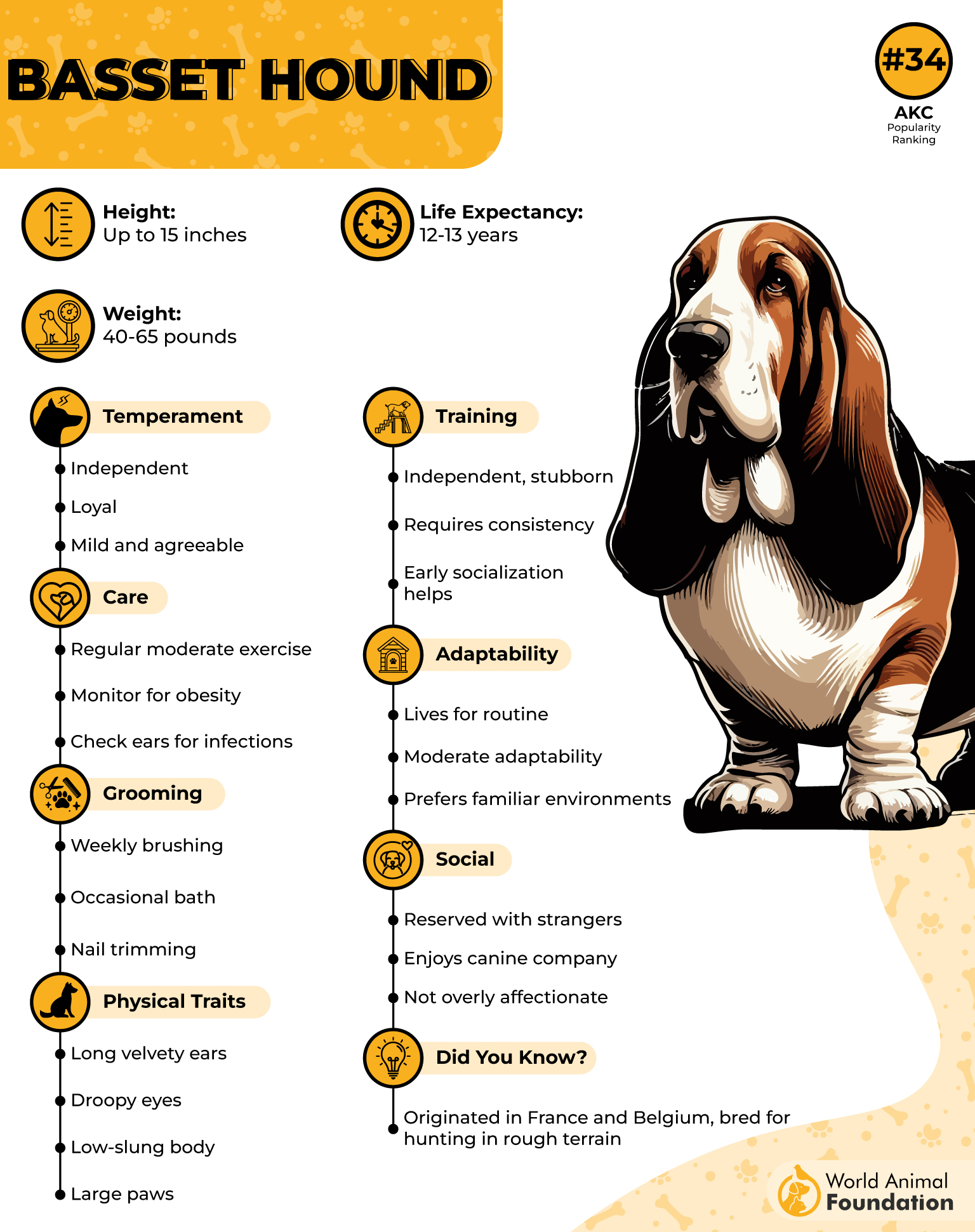
These dogs tend to get along well with kids and other animals, making them great family pets. Their moderate grooming needs and low energy levels make them relatively easy to care for, but their independent spirit means they may occasionally test boundaries.
Additionally, Basset Hounds have a strong food motivation, which can be used to an owner’s advantage in training. However, this also means they are prone to weight gain if not exercised and fed properly. A balanced diet and regular activity will help keep them healthy and happy.
5. Shiba Inu
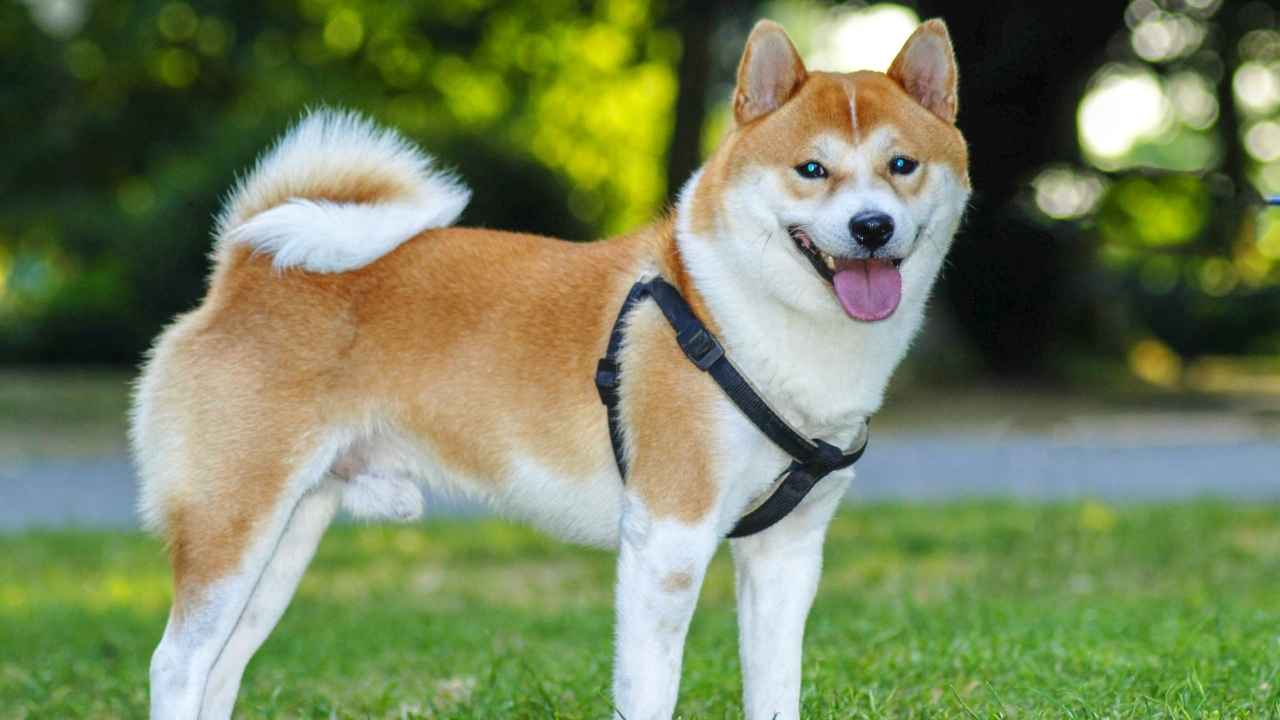
The Shiba Inu is one of the most independent dog breeds, often compared to a cat due to its self-sufficient nature. Originating from Japan, this breed is known for its intelligence, alertness, and strong-willed personality.
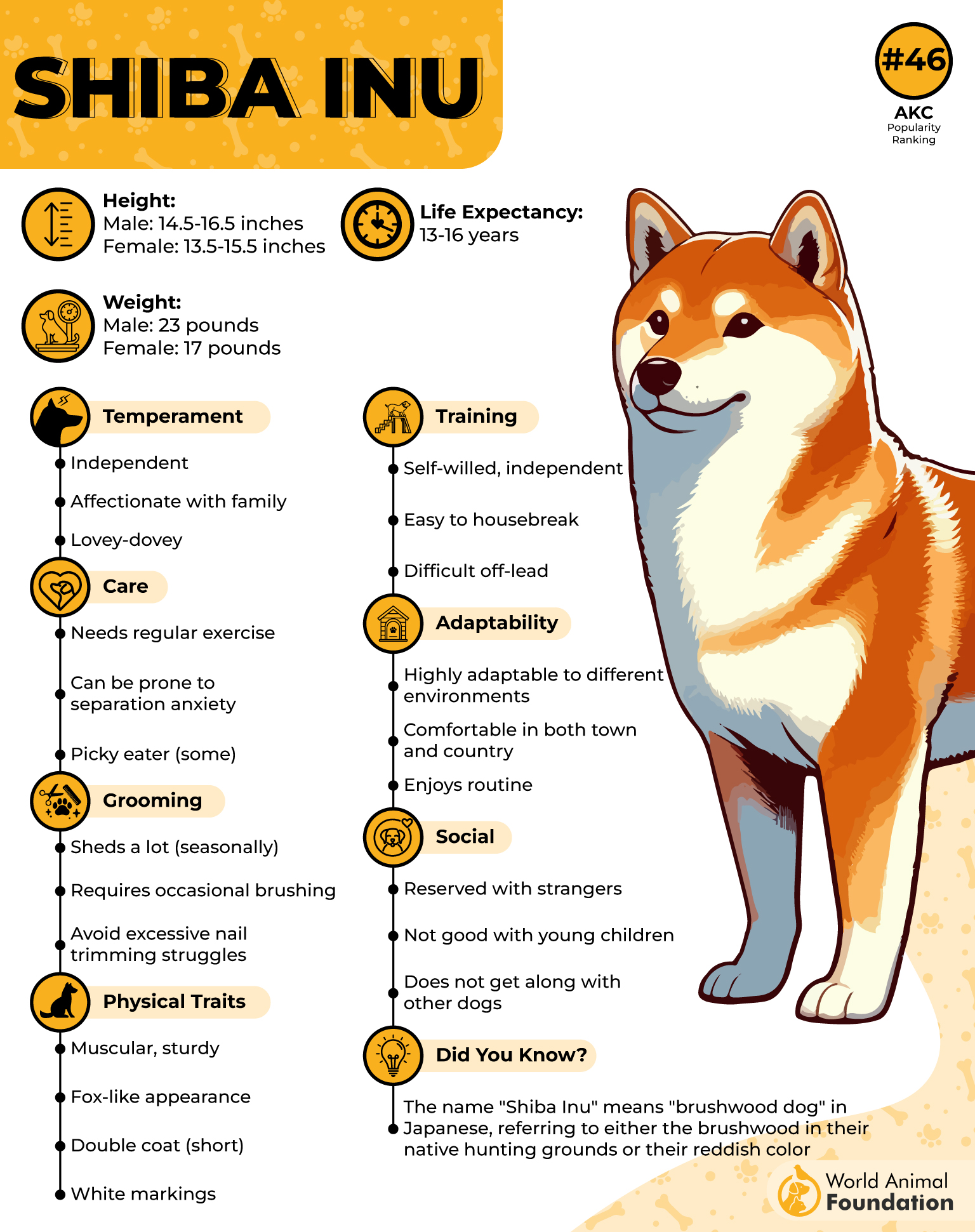
Shiba Inus tend to prefer their own space and are content being left alone for longer periods than most dogs. However, they still enjoy play and mental stimulation. Training them can be tricky due to their strong-willed nature, but with proper socialization, they become well-mannered companions.
Their moderate grooming needs and natural cleanliness make them great house dogs. They tend to develop strong bonds with their owners but remain independent in their daily activities. If you’re looking for a smart, low-maintenance breed that values its personal space, the Shiba Inu is an excellent choice.
Another unique trait of Shiba Inus is their distinctive vocalization, often referred to as the “Shiba scream.”
When excited or displeased, they can emit a loud, high-pitched noise that surprises many first-time owners. While this is not a frequent occurrence, it highlights their expressive nature and strong personality.
6. Pug
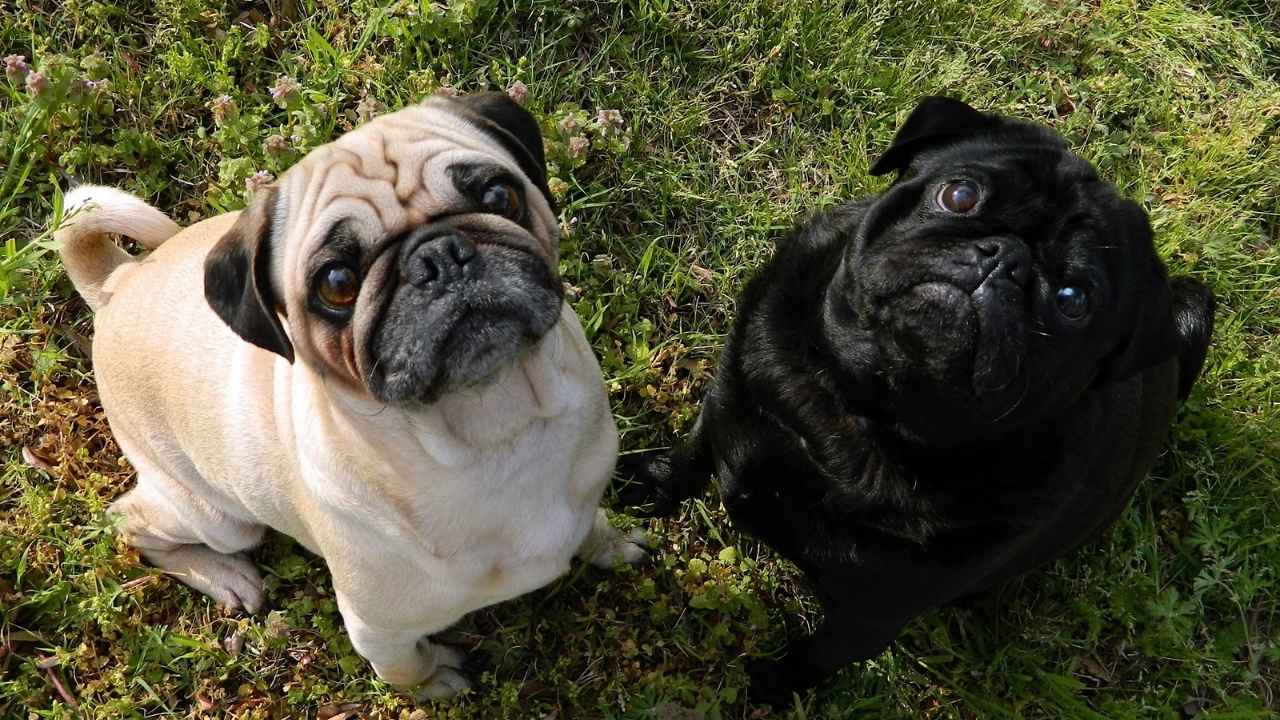
Although Pugs are often seen as affectionate and friendly dogs, they also have an independent streak. They enjoy human interaction but do not require constant attention, making them adaptable to various lifestyles. They are known for their playful and mischievous nature, which adds to their charm.
Pugs are low-maintenance dogs that require moderate grooming due to their short coat. They can be prone to health issues, so proper care and regular vet visits are essential.
Owners should also be mindful of their diet, as Pugs tend to gain weight easily, requiring portion control and regular exercise.
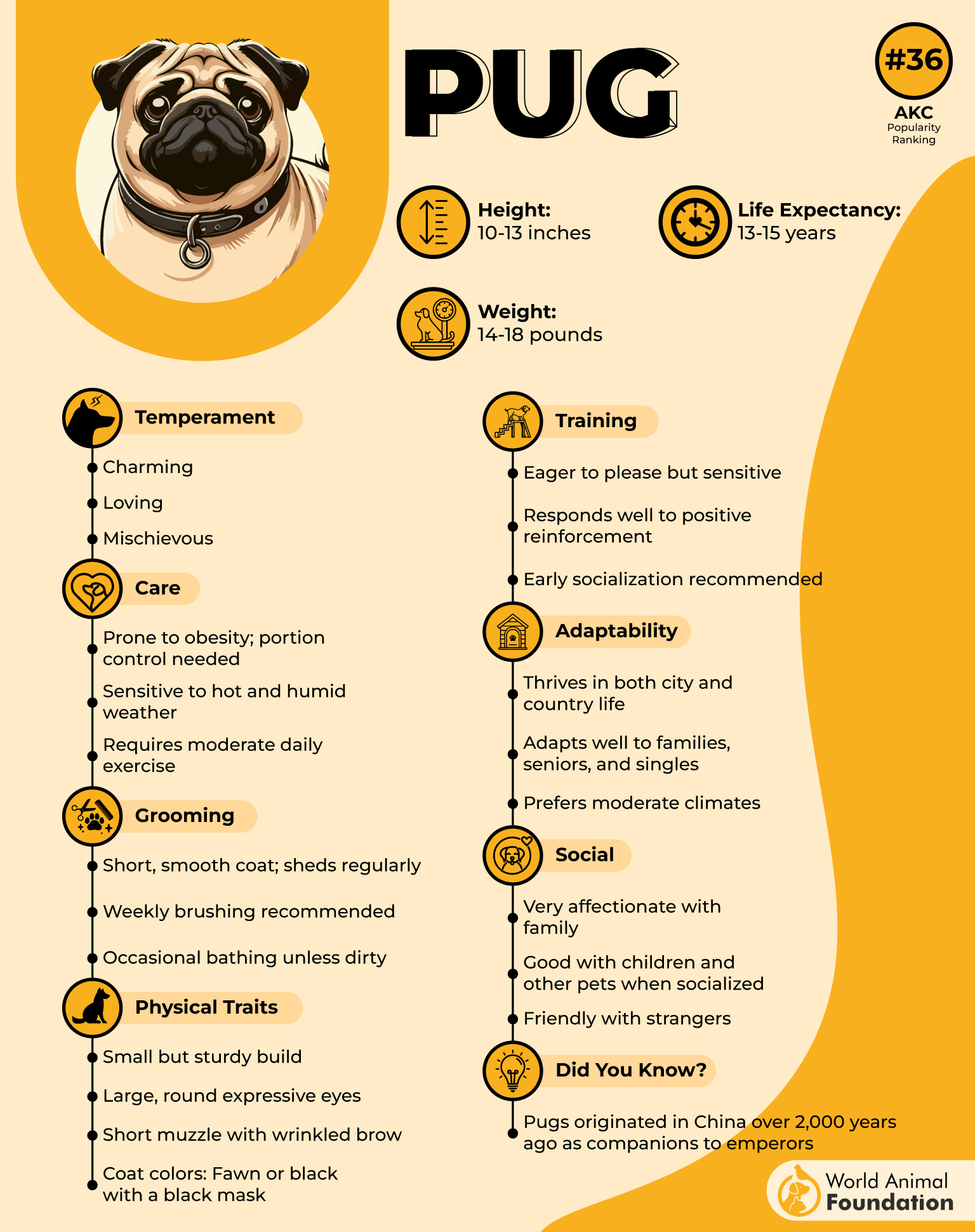
While they do not demand as much exercise as other breeds, they still enjoy daily walks and playtime. Their playful yet independent nature makes them a fantastic choice for families or individuals looking for a small but confident companion.
Additionally, Pugs have a strong attachment to their owners and thrive in environments where they feel included in family activities. Their ability to adapt to different living spaces, whether an apartment or a house, makes them a popular choice for many pet lovers.
7. Chinese Shar-Pei

The Chinese Shar-Pei is a unique and independent breed known for its deep wrinkles and blue-black tongue. Originally bred in China as a guard and hunting dog, this breed has a naturally aloof personality and tends to be wary of strangers.
Shar-Peis are incredibly loyal to their families but do not require constant attention. They are intelligent dogs with a strong-willed nature, which can make training a challenge. However, with firm and consistent leadership, they become well-mannered companions.
These dogs have a low-maintenance coat but require regular skin care to prevent infections due to their wrinkles. While they enjoy occasional play, they do not demand excessive exercise, making them ideal for owners with a more relaxed lifestyle.
Despite their independent spirit, Shar-Peis are devoted to their owners and can form strong bonds with their families. Their protective instincts make them excellent watchdogs, providing a sense of security to their homes.
8. Maltese
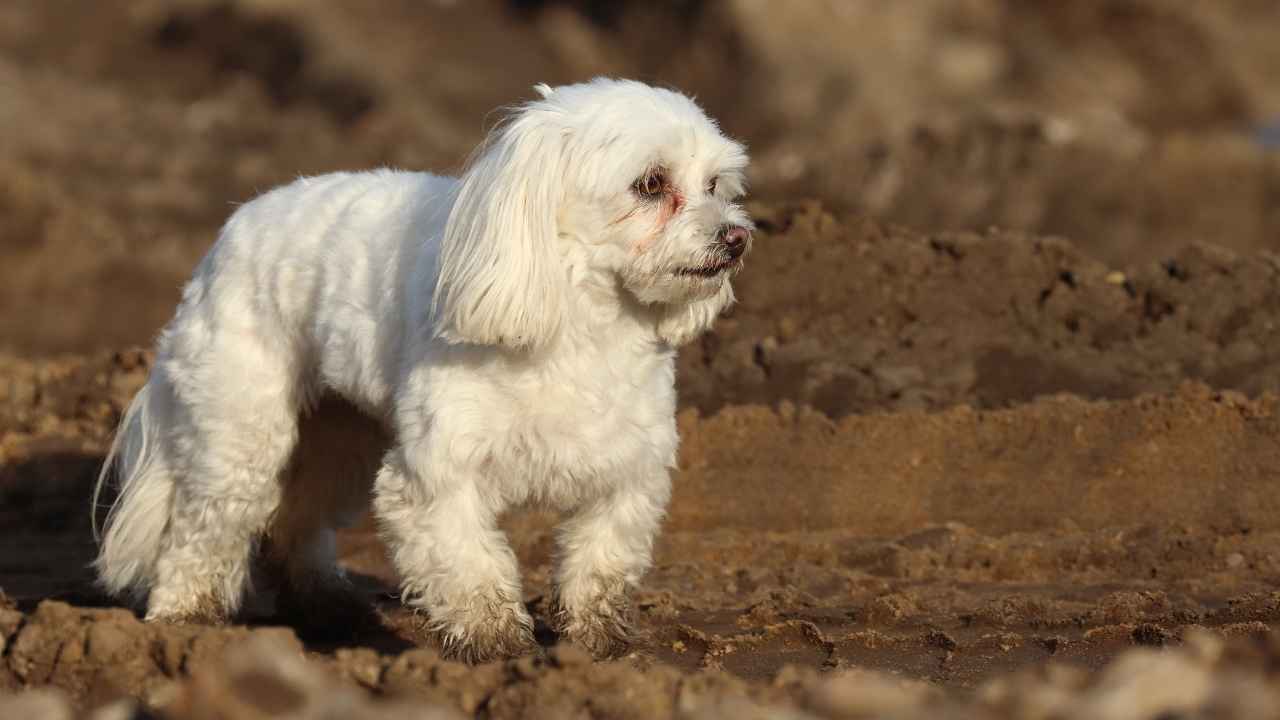
The Maltese is a small yet independent breed known for its beautiful white coat and lively personality. Although they are affectionate with their owners, they have a self-sufficient nature that allows them to be comfortable when left alone.
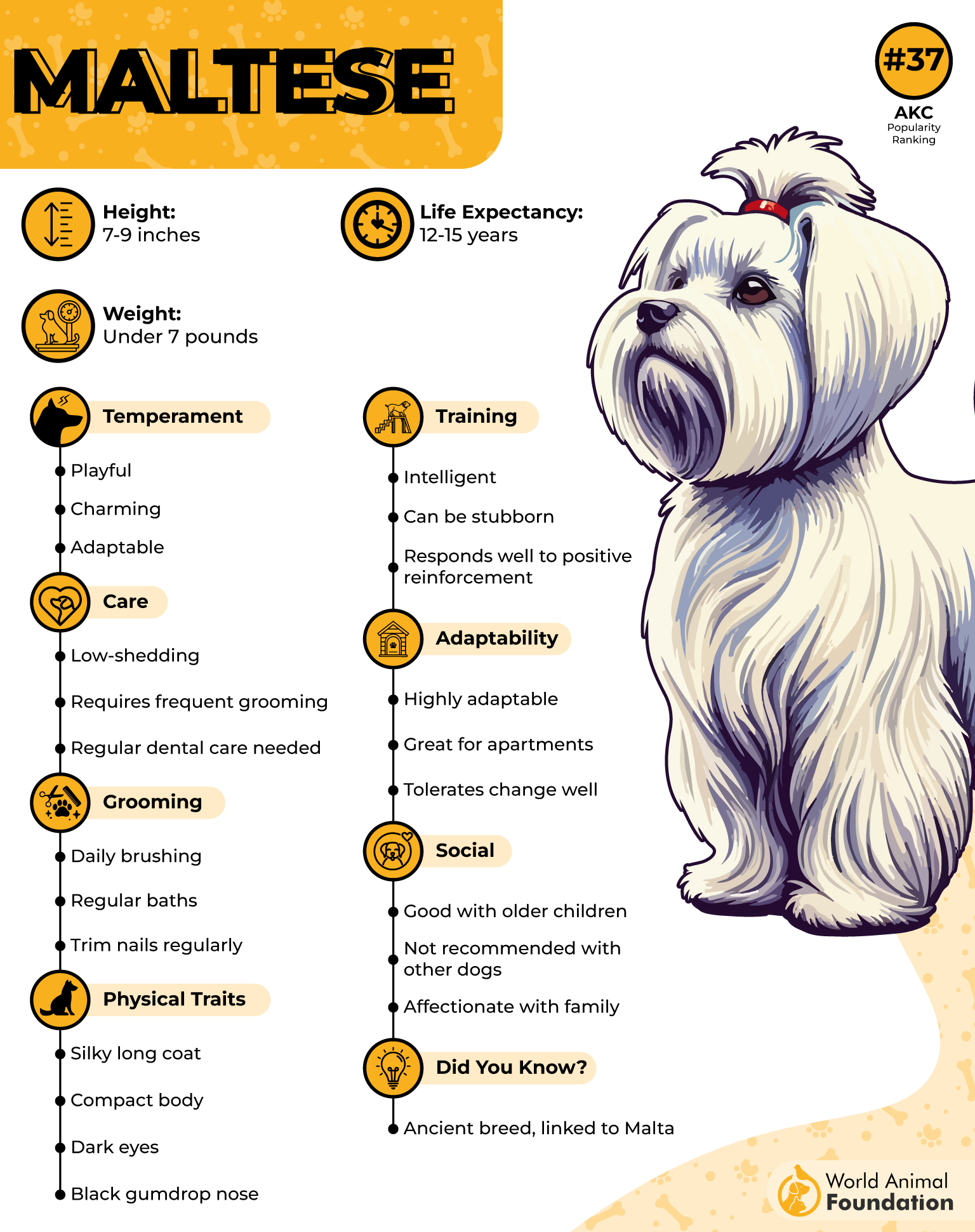
Originally bred as companion dogs, Maltese thrive in various environments, from apartments to larger homes. They enjoy interaction but are not overly clingy, making them ideal for individuals who appreciate a dog that can balance independence with affection.
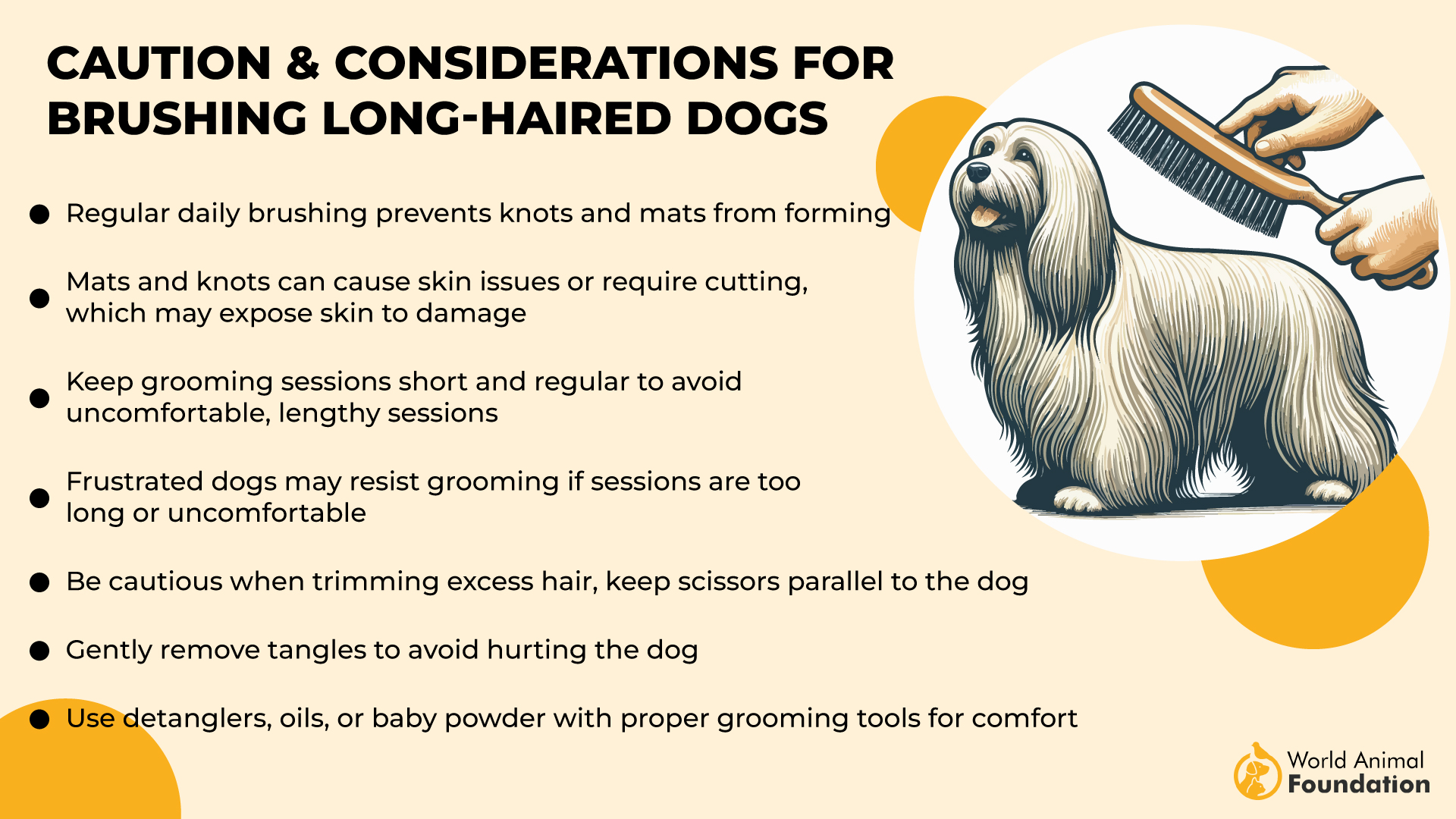
This breed requires moderate grooming to maintain its long, silky coat. Regular brushing is essential to prevent tangles and keep their fur in top condition.
While they enjoy playtime and short walks, they do not have high energy levels, making them a great fit for owners with less active lifestyles.
According to the American Kennel Club (AKC), Maltese dogs are intelligent and respond well to training, though they can exhibit a bit of stubbornness. With patience and consistency, they can learn commands quickly, making them excellent companions for both families and individuals.
9. Basenji
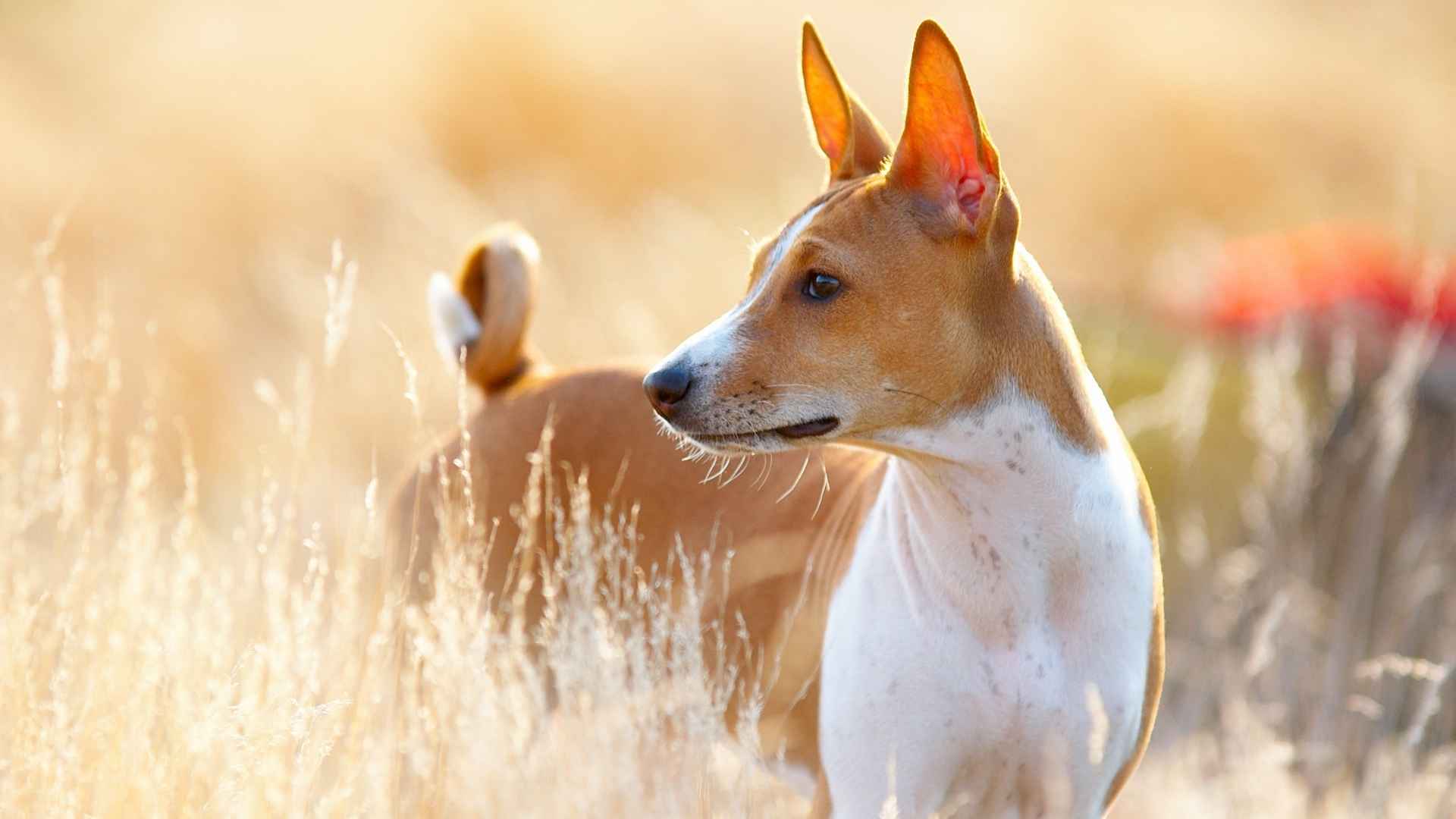
The Basenji is one of the most independent dog breeds, often referred to as the “barkless dog” due to its unique vocalization. Originating from Africa, this breed was used for hunting and is known for its keen intelligence and strong prey drive.
Basenjis are highly independent and tend to be aloof with strangers, though they form strong bonds with their owners. They are clean dogs with a cat-like grooming habit, making them a low-maintenance breed when it comes to hygiene.

According to Purina, this breed has a high energy level and requires regular exercise to stay mentally and physically stimulated. They enjoy interactive play and activities that challenge their intelligence, making them great for active households.
Basenjis can be stubborn when it comes to training, but with positive reinforcement, they respond well. They prefer their own space and are not overly needy, making them an excellent choice for owners who want a confident and self-sufficient pet.
Conclusion
Choosing an independent dog breed means finding a balance between companionship and self-sufficiency. These breeds are intelligent, capable of handling time alone, and offer loyalty without excessive dependency.
Whether you prefer a regal Afghan Hound, a calm Greyhound, or a self-sufficient Shiba Inu, each breed brings unique traits to suit different lifestyles. When selecting a breed, consider factors such as grooming, exercise needs, and temperament to ensure a perfect match.
Independent dogs are ideal for those who appreciate a pet that values its own space while still forming a deep, meaningful bond with their owners.
