
WorldAnimalFoundation.org is reader-supported. When you buy through links on our site, we may earn an affiliate commission. Learn More
Training a dog can be an enjoyable experience, but some breeds prove more challenging. These dogs may be independent or need extra patience to learn basic commands. With the right methods, even the toughest breeds can become loyal companions.
Basset Hounds need dedicated training to manage their independence but can be well-behaved with consistency. Afghan Hounds are challenging dogs to train due to their aloof nature, requiring patience and consistency.
Other dogs, like herding breeds, need proper training to effectively channel their energy and intelligence. However, the following are some of the dog breeds which are very hard to train.
Extremely Hard to Train Dog Breeds
1. Siberian Husky
Siberian Huskies are an energetic and independent breed, making them one of the hardest dogs to train. Their free-spirited nature often leads them to prioritize their own interests over following commands. Huskies were originally bred for pulling sleds, which means they have an innate desire to run and explore, sometimes making them less interested in training sessions.
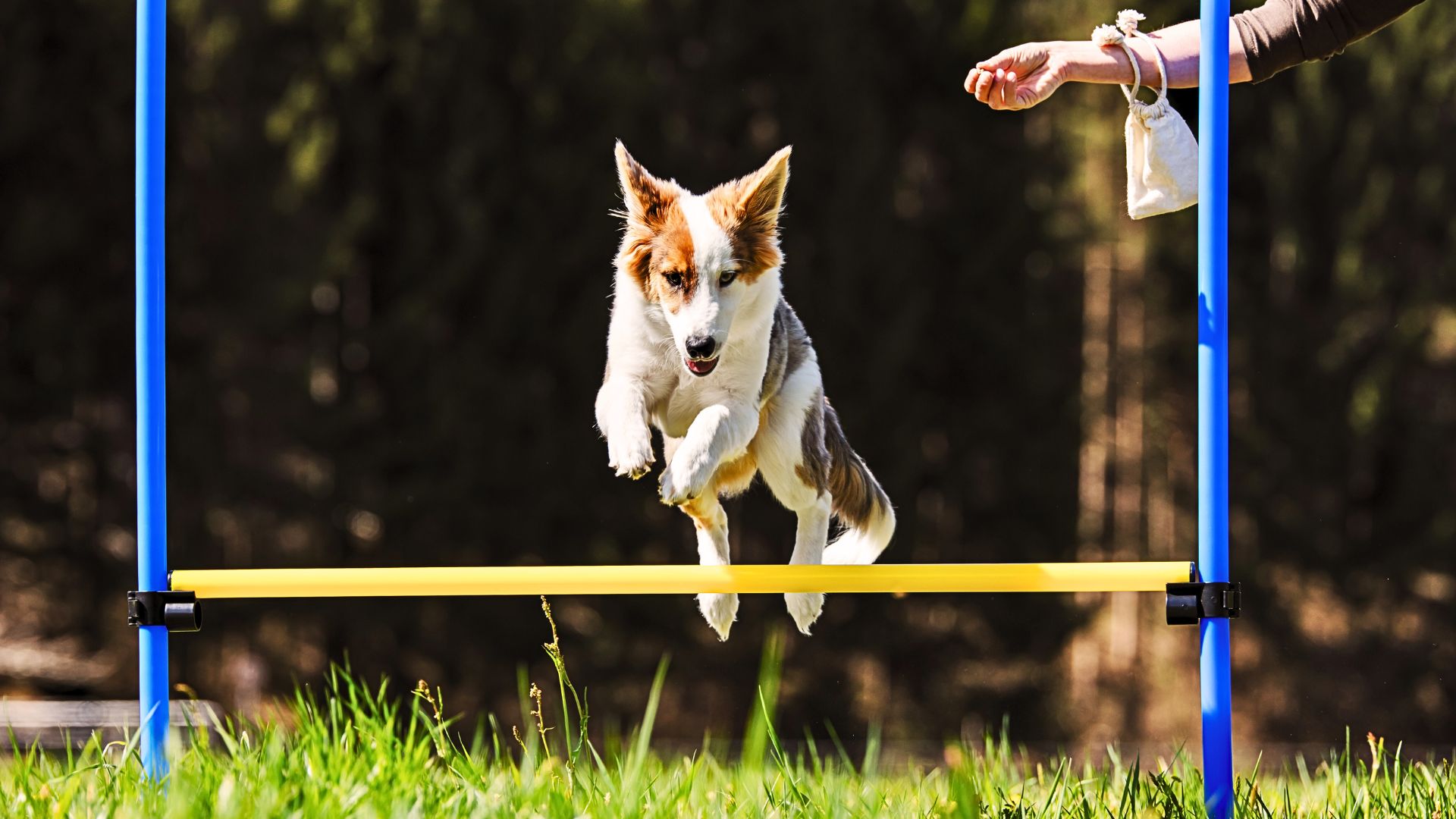
One of the challenges of training a Husky is their stubbornness. They don’t respond well to harsh training methods, as they can become more defiant. Instead, Huskies require a calm, patient, and consistent approach with plenty of positive reinforcement. Engaging them in physical activities such as running or agility training can help channel their energy into learning.
Despite the challenges, Huskies are affectionate and form strong bonds with their families. When properly trained, they are loyal companions who will love to be involved in family activities, as suggested by Britannica.
Fun Fact: Siberian Huskies have striking blue eyes or even one eye of each color, a feature known as heterochromia. These beautiful eyes add to their captivating and unique appearance!
2. Beagle
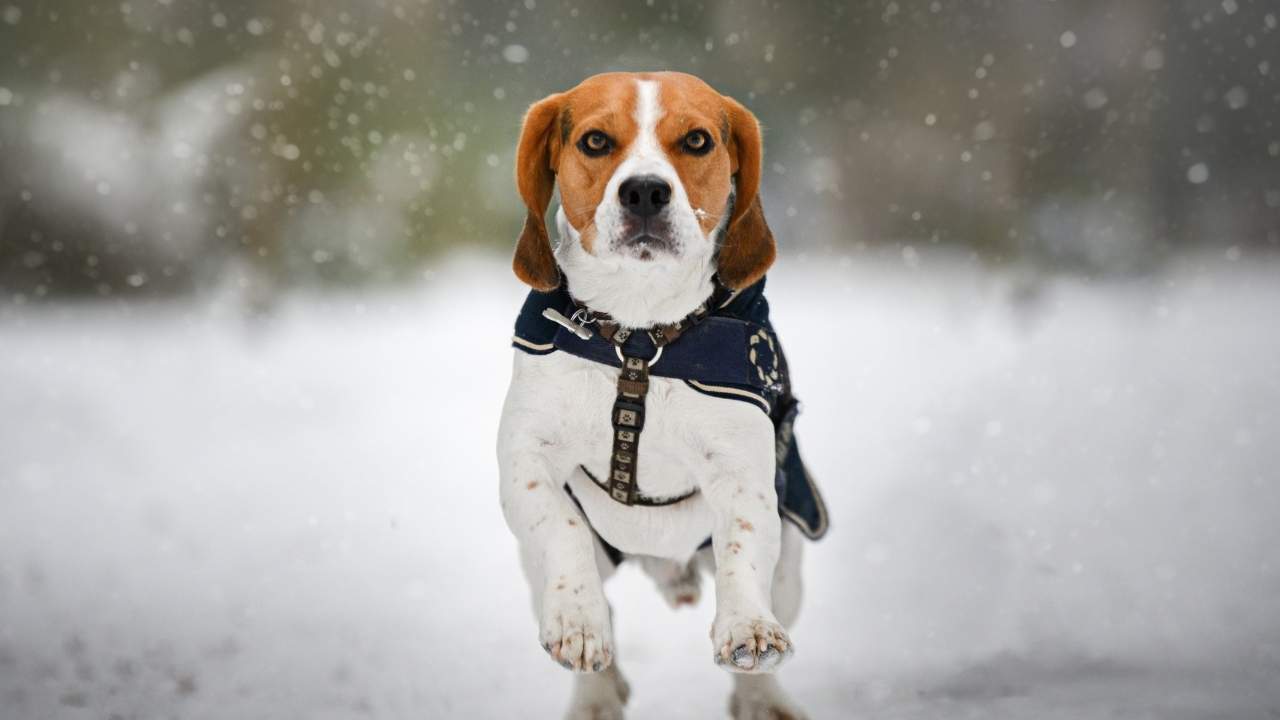
Beagles are known for their exceptional sense of smell and curious nature, which can make them difficult to train. While their intelligence is not in question, their tendency to get distracted by new scents often takes their focus away from training. Beagles were originally bred for hunting, so their drive to follow smells can be overwhelming.
Training a Beagle requires patience and consistency. They respond well to positive reinforcement, especially when food is used as a motivator. However, training sessions should be kept short and engaging to prevent the Beagle from losing interest. Regular mental stimulation through activities like scent games and puzzle toys can also help them stay sharp.
While Beagles can be challenging, they are affectionate dogs that love spending time with their families. Their playful nature and friendly demeanor make them a popular choice for families with children.
Fun Fact: Beagles are often used in airports for detection work because of their remarkable scent abilities!
3. Collie
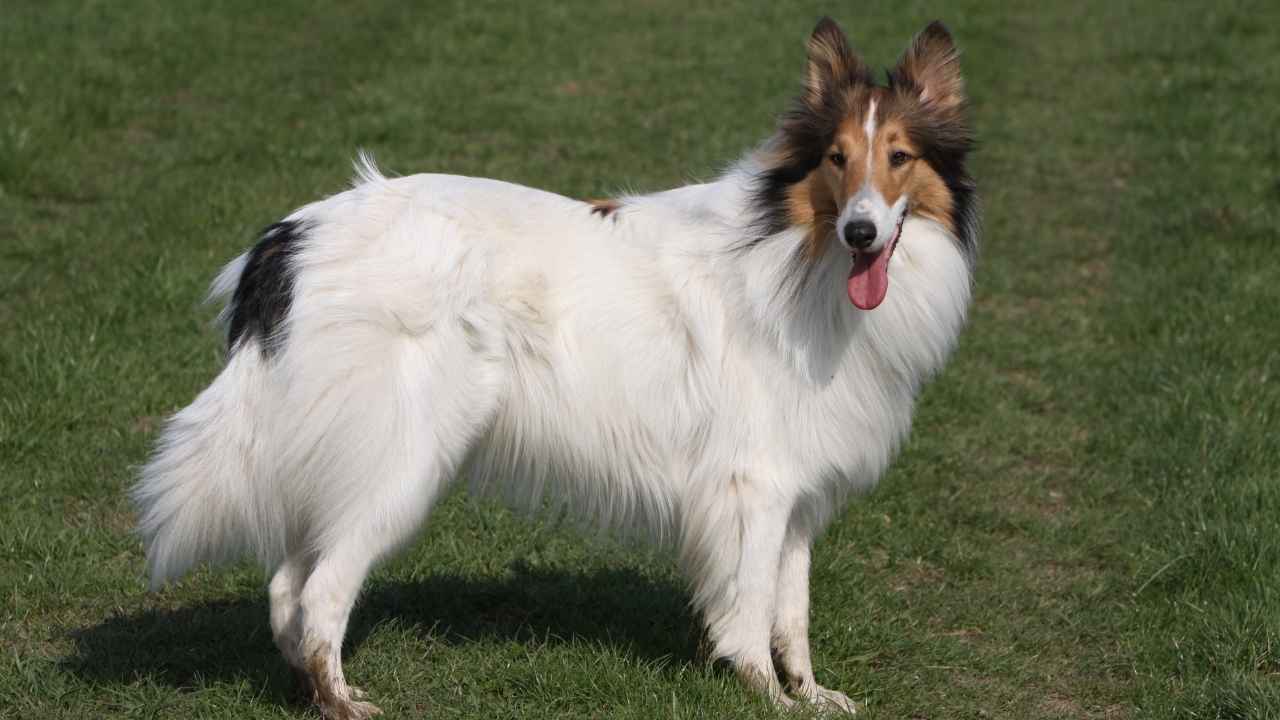
Collies are intelligent and eager to please, which makes them great dogs for families. However, they are also highly sensitive and respond poorly to harsh training methods. Collies prefer a more gentle approach, which can sometimes make training feel like a slow process. Despite their intelligence, they require an understanding trainer who is patient with their emotions.
Training a Collie involves using positive reinforcement and clear, consistent commands. Collies are quick to learn but are also very sensitive to their owner’s emotions, so a calm and confident handler is essential. They do best in environments where they feel safe and emotionally connected to their owners.
While Collies may require more patience, their devotion and loyalty make them wonderful family pets once trained. They form strong emotional bonds with their family members and love to be involved in family activities.
Fun Fact: Collies were popularized by the famous TV dog, Lassie, who became a symbol of courage and loyalty.
4. Border Collie
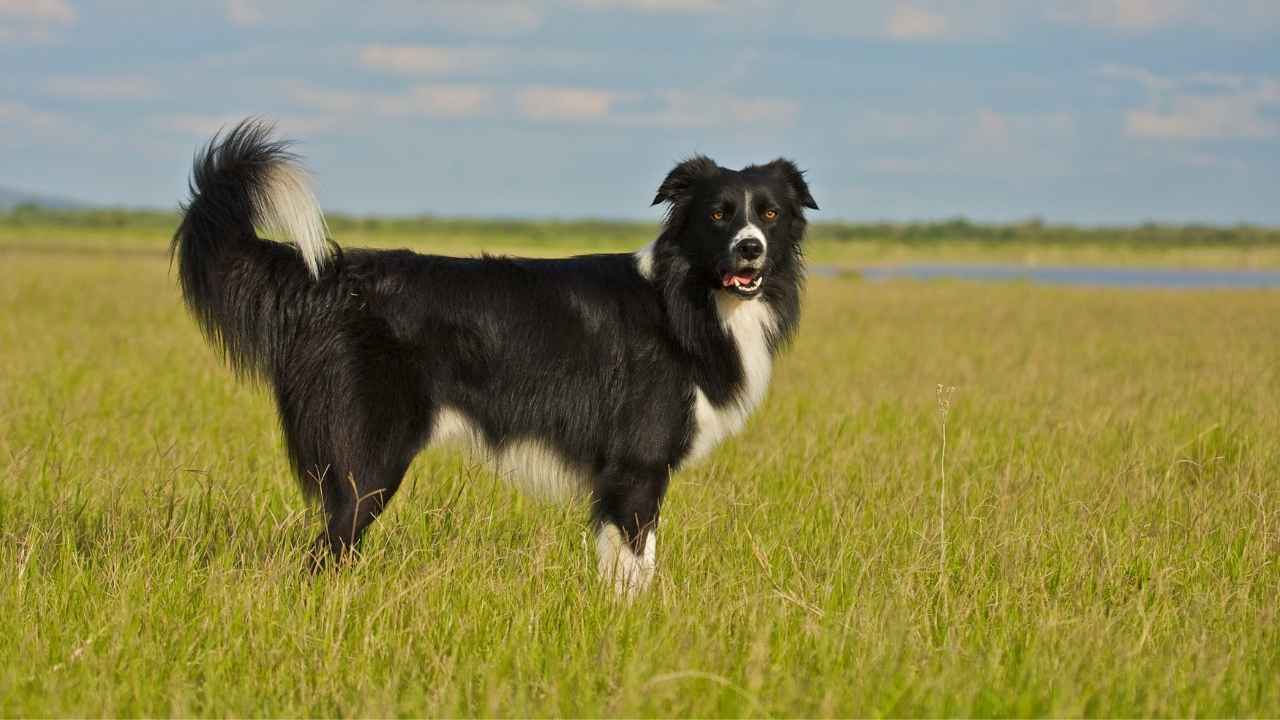
Border Collies are often regarded as the most intelligent dog breed, which is both a blessing and a curse. Their intelligence makes them eager to work and excel in activities like agility and obedience, but it can also lead to frustration if not properly channeled. They tend to get bored easily and require mental stimulation to prevent undesirable behaviors.
Training a Border Collie requires a high level of engagement and creativity. This breed thrives on learning new tasks and enjoys a variety of activities. Consistency and positive reinforcement are key when training them, but they do best when training is integrated with activities they love, such as herding or agility courses.
Border Collies are highly loyal dogs, often forming a strong attachment to their owner. When properly trained, they are hardworking and obedient companions who excel in a wide range of tasks.
Fun Fact: Border Collies are known for their exceptional herding skills and can even control the movement of livestock with just a stare! Their intense focus and “eye” make them incredibly effective working dogs.
5. Australian Shepherd
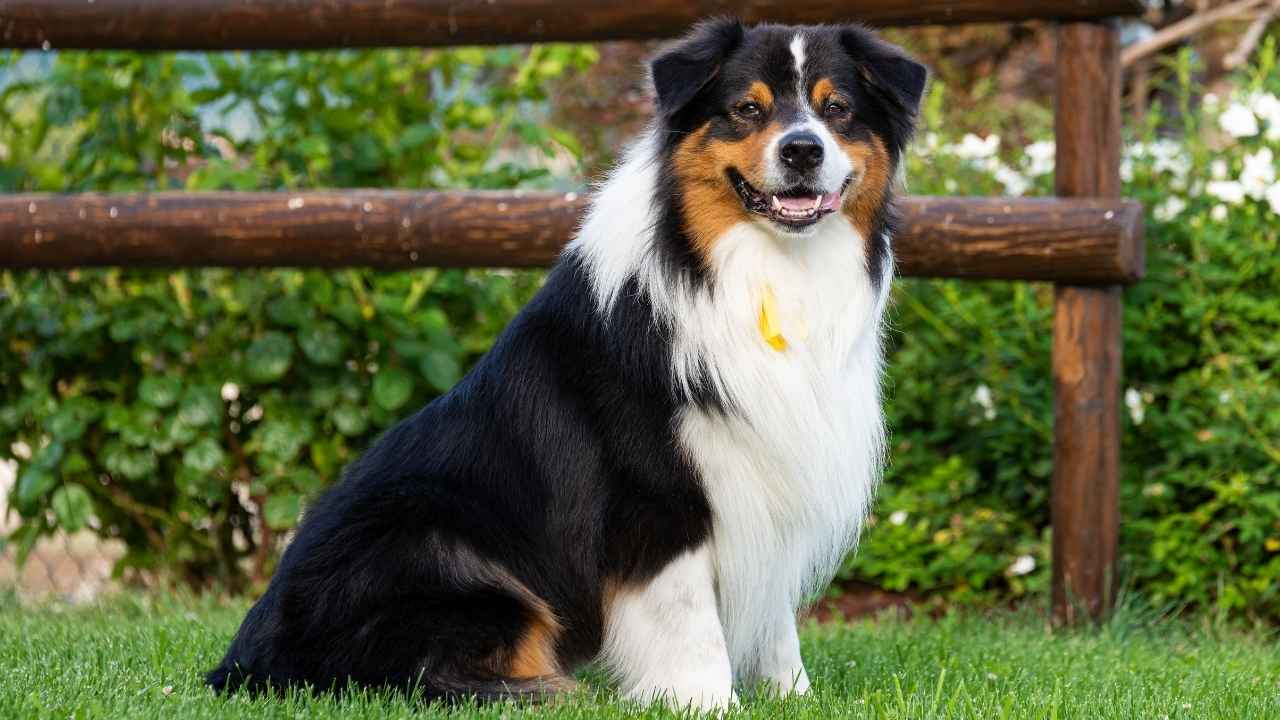
The Australian Shepherd is another highly intelligent dog that can be difficult to train due to its high energy levels and need for constant mental stimulation. This breed excels in agility and obedience, but their independence and strong instincts can make them stubborn when they feel they aren’t being challenged enough.
Training an Australian Shepherd requires a structured approach with plenty of exercise. They thrive in environments where they have a job to do, such as herding or competing in dog sports. They can be highly responsive to training with the right outlet for their energy.

Australian Shepherds are extremely loyal and form strong bonds with their families. They love to be active and involved in family activities, making them ideal companions for active households.
Fun Fact: Australian Shepherds are known for their stunning “merle” coats, which are speckled with patches of color and often have unique eye patterns, including heterochromia (two different colored eyes)!
6. Rottweiler
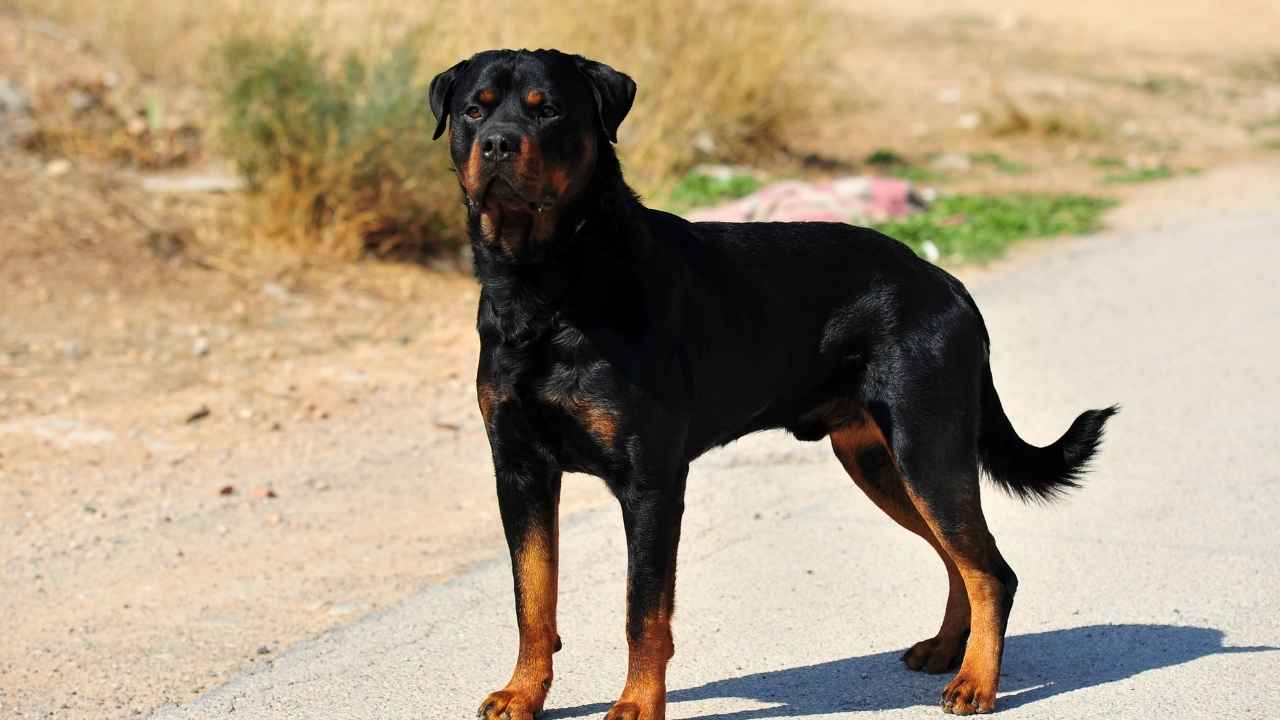
Rottweilers are powerful dogs with strong protective instincts, which makes them excellent guard dogs. However, their dominant nature can sometimes make them difficult to train. Rottweilers require an experienced and confident handler who can establish authority without being overly harsh.
Training a Rottweiler requires consistency and patience. This breed responds well to positive reinforcement, but they need clear boundaries and firm leadership. When trained properly, Rottweilers are highly obedient and form strong, protective bonds with their families.
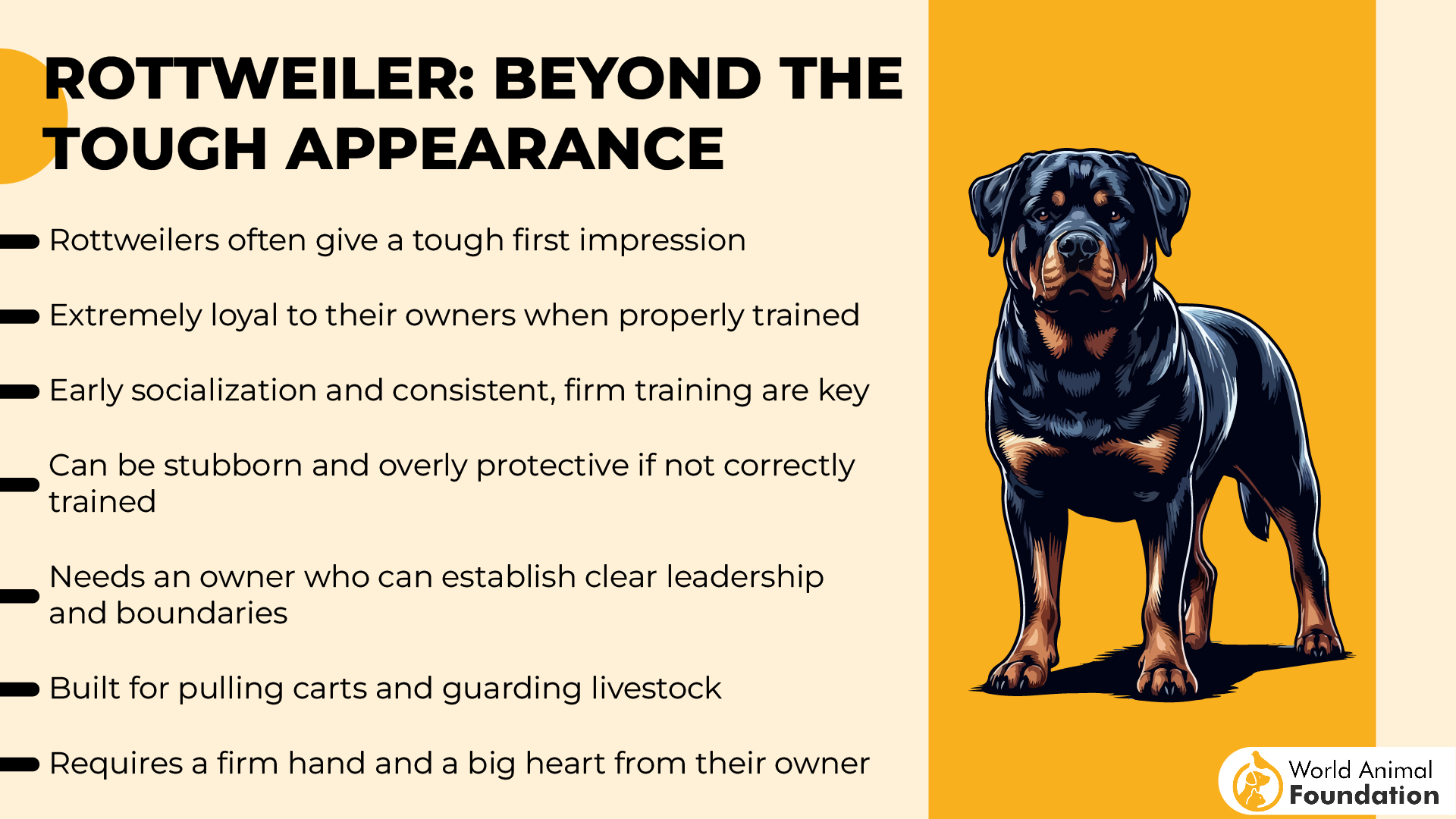
Rottweilers are devoted to their families and can be both loving and protective. Their loyalty makes them one of the best guard dogs, but they also thrive in homes where they receive attention and mental stimulation.
Fun Fact: Rottweilers were once used to herd cattle and pull carts for butchers, making them historically significant working dogs!
7. Goldendoodle
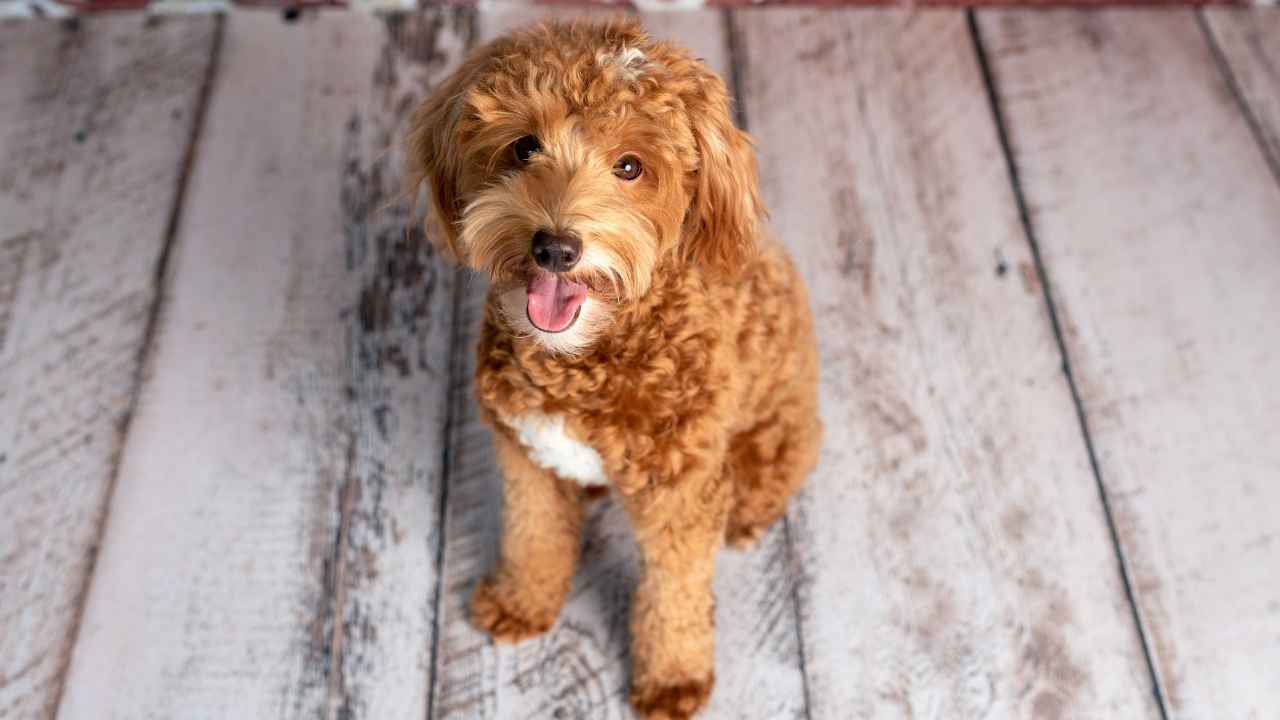
Goldendoodles, a mix between the Golden Retriever and Poodle, are friendly and intelligent dogs, but their high energy levels and playful nature can make training challenging. They tend to get distracted by their playful side and may not always listen to commands if they are more interested in playing with toys or interacting with other pets.
Training a Goldendoodle requires patience and consistency, and using positive reinforcement is essential. While they are quick learners, they can get bored with repetitive tasks, so varying their training routine helps keep them engaged.
Goldendoodles are highly affectionate and loyal dogs, known for their loving nature and ability to bond with their families. They are excellent companions and thrive in homes where they are given ample attention and physical activity.
Fun Fact: Goldendoodles are often hypoallergenic, thanks to their Poodle parent, making them a popular choice for people with allergies! Their low-shedding coats require regular grooming to keep them looking their best.
8. Bulldog
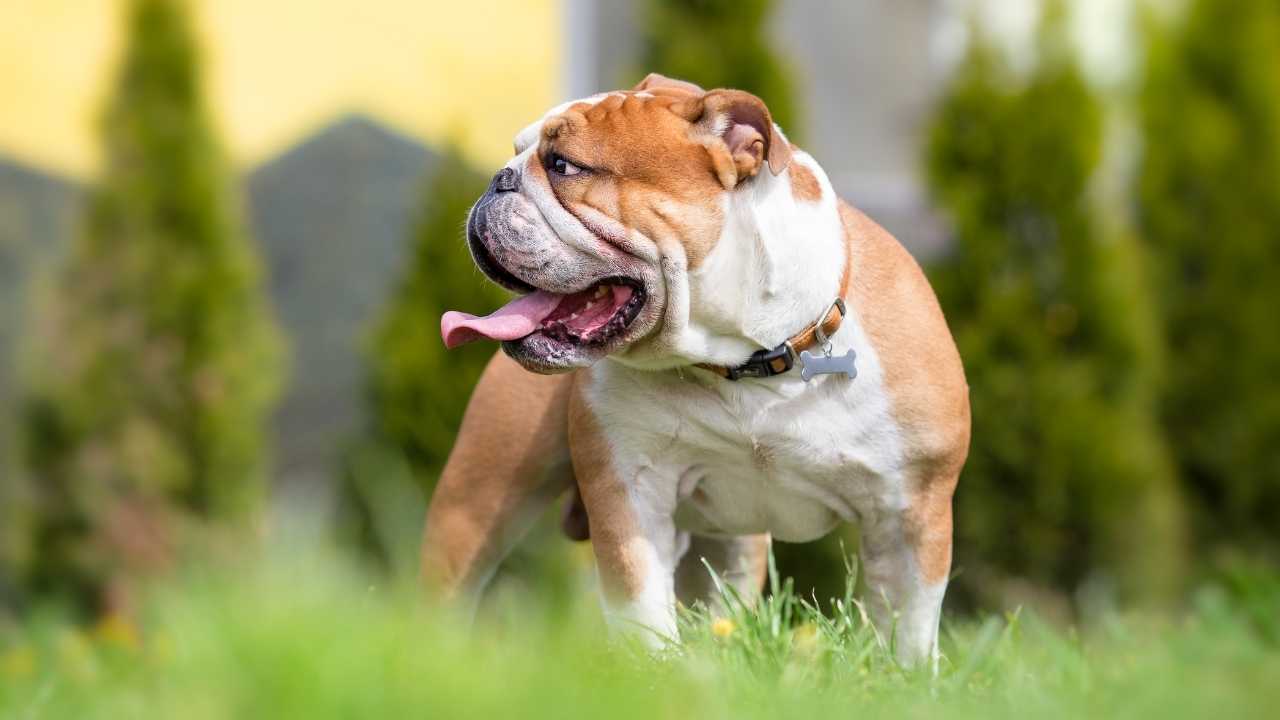
As stated by PetMD, Bulldogs are known for their laid-back, easygoing personalities, but their stubborn nature can make them difficult to train. While they may not be as energetic as other breeds, their independent mindset means they prefer to do things their way. Bulldogs are not easily motivated by food or treats, which can make training sessions more challenging.
Training a Bulldog requires patience and consistency. They respond best to positive reinforcement and are more likely to listen when they feel comfortable and not pushed too hard. Bulldogs enjoy lounging but can be trained to follow basic commands with the right approach.
Despite their training challenges, Bulldogs are extremely affectionate and loyal dogs. They form strong bonds with their families and enjoy being pampered, making them excellent companions for those who appreciate their low-maintenance nature.
Fun Fact: Bulldogs are often considered “the clowns” of the dog world, known for their funny expressions and playful antics!
9. Basenji
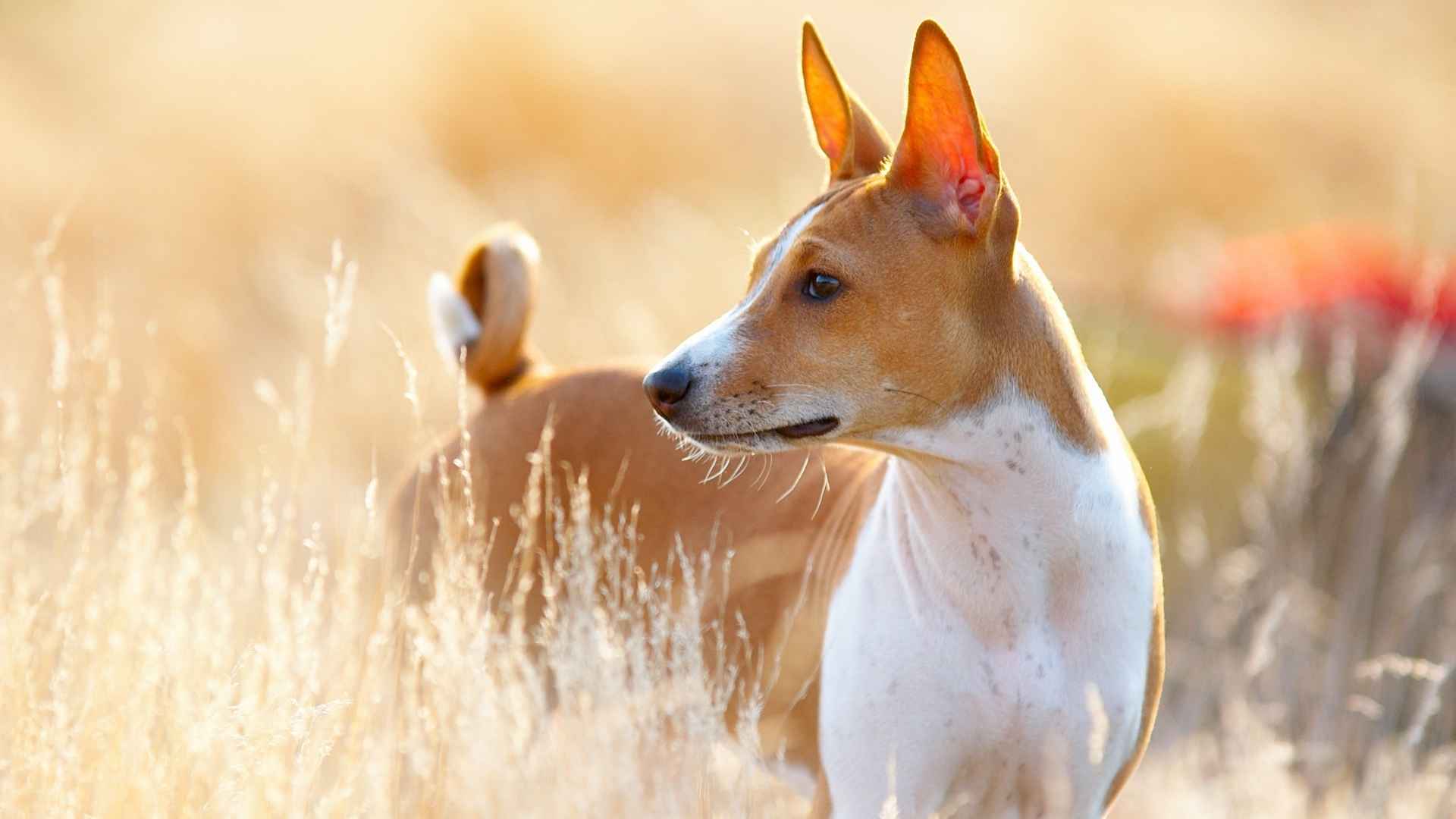
Basenjis are independent and strong-willed dogs that can be difficult to train. Their independent nature and high prey drive make them less responsive to traditional training methods. Unlike many dogs, Basenjis do not always respond to food or toys, making it hard to motivate them during training sessions.
According to Purina, training a Basenji requires creativity and patience. Positive reinforcement is the best method, but it may take time to figure out what truly motivates them. Basenjis are highly intelligent, but they prefer to make their own decisions, which makes training them a slow process.
Despite these challenges, Basenjis are loyal and affectionate dogs. They form strong bonds with their families and are excellent companions for those who appreciate their unique personality.
Fun Fact: Basenjis are often called “barkless dogs” because they don’t bark like other dogs. Instead, they make a variety of sounds, including yodels, howls, and a unique “baroo” noise, especially when they’re excited or curious!
Conclusion
Training difficult dog breeds requires patience, consistency, and a willingness to adapt to each dog’s individual needs. Breeds like the Siberian Husky, Beagle, and Border Collie may pose a challenge, but with the right approach, they can become loyal, loving companions. Whether it’s working through their independent streaks or channeling their energy into productive activities, these dogs are worth the effort.
Keep in mind that for first-time dog owners, selecting a particular breed like a Bull Terrier can be a rewarding experience, but the training process requires consistency and patience. Livestock guardian dogs are known for their strong protective instincts, and while they are an active breed, their training process can be more challenging due to their independence. With dedication and the right training, these dogs can thrive and become wonderful family members.
