
WorldAnimalFoundation.org is reader-supported. When you buy through links on our site, we may earn an affiliate commission. Learn More
Some dogs learn commands quickly, making training an enjoyable and rewarding experience. Very trainable breeds possess intelligence, eagerness to learn, and a strong work ethic. They excel in obedience training, specialized tasks, and competitive dog sports. With structured guidance, they master advanced commands and adapt to various roles efficiently.
Understanding the traits of highly trainable breeds helps in selecting the right dog for specific needs. Their problem-solving skills and quick response time make them ideal for service work and performance training. However, their intelligence requires consistent mental stimulation to prevent boredom.
In this article, we’ll explore some of the most trainable dog breeds, highlighting their unique skills and adaptability. Let’s dive into what makes these breeds excel!
Did you know?
The first obedience trial was held in 1933 by the American Kennel Club, setting the foundation for competitive dog training.
Very Trainable Dog Breeds
1. Golden Retriever
Golden Retrievers are known for their intelligence and eager-to-please, making them easy to train. Their natural ability to understand commands quickly allows them to excel in various tasks, including obedience and service work.
They respond exceptionally well to positive reinforcement, learning new commands with minimal repetition. Their patience and gentle nature make them suitable for different training styles, including agility and search-and-rescue operations.
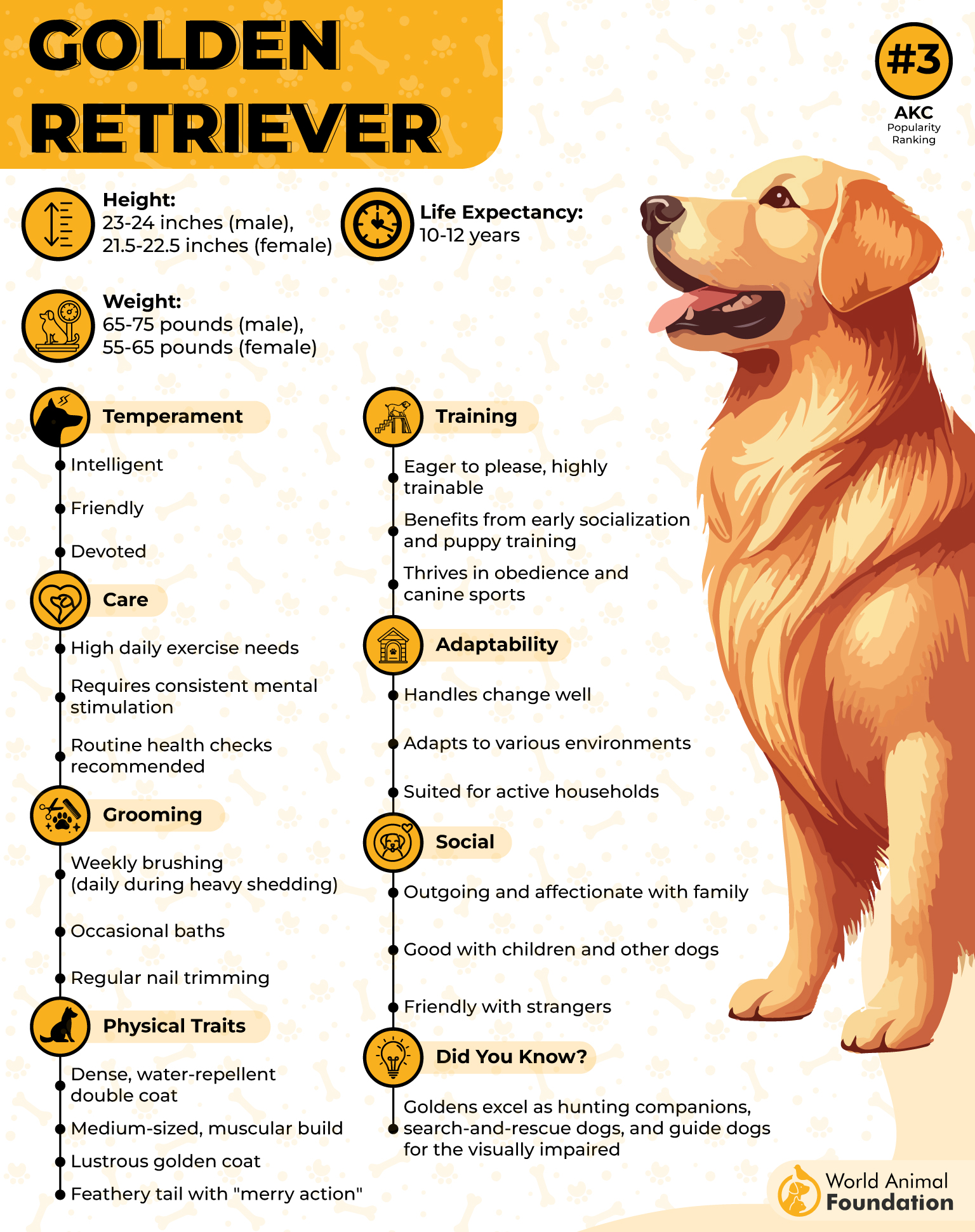
This breed requires daily mental and physical stimulation to prevent boredom. Engaging activities such as puzzle toys, retrieval games, and structured obedience training keep their minds sharp and active.
Golden Retrievers are widely used in therapy and assistance work due to their calm demeanor. Their ability to remain focused under pressure makes them reliable for various specialized tasks and working roles.
Training consistency is key to maintaining their obedience skills. Short, frequent sessions with rewards encourage long-term retention and enthusiasm in learning new skills.
Fun Fact
Golden Retrievers were originally bred in Scotland during the 19th century to retrieve game from both land and water.
2. Papillon
Papillons may be small, but they have impressive intelligence and trainability. They are quick learners, often mastering new tricks and commands faster than many larger breeds, making them stand out in competitive obedience events.
According to the AKC, their high energy levels require engaging activities to stay mentally sharp. Agility courses, interactive toys, and trick training sessions keep them stimulated while reinforcing obedience and discipline.

Papillons respond well to reward-based training methods, thriving on praise and treats. Their alertness and attentiveness make them excellent at learning complex commands and performing advanced tricks.
Despite their small size, they excel in canine sports and obedience competitions. Their natural agility and willingness to work make them exceptional performers in rally obedience and freestyle routines.
Consistent training and mental challenges prevent boredom-related behaviors. Keeping sessions varied and exciting ensures long-term success in developing their skills and maintaining discipline.
Fun Fact
The Papillon gets its name from the French word for “butterfly,” due to its distinctive, butterfly-like ears.
3. Australian Cattle Dog
The Australian Cattle Dog is known for its exceptional problem-solving skills and work ethic. Originally bred for herding livestock, this breed thrives on structured training and mental challenges.
They require consistent leadership and firm training from an early age. Their intelligence allows them to learn quickly, but they also test boundaries, making structured discipline essential for obedience.
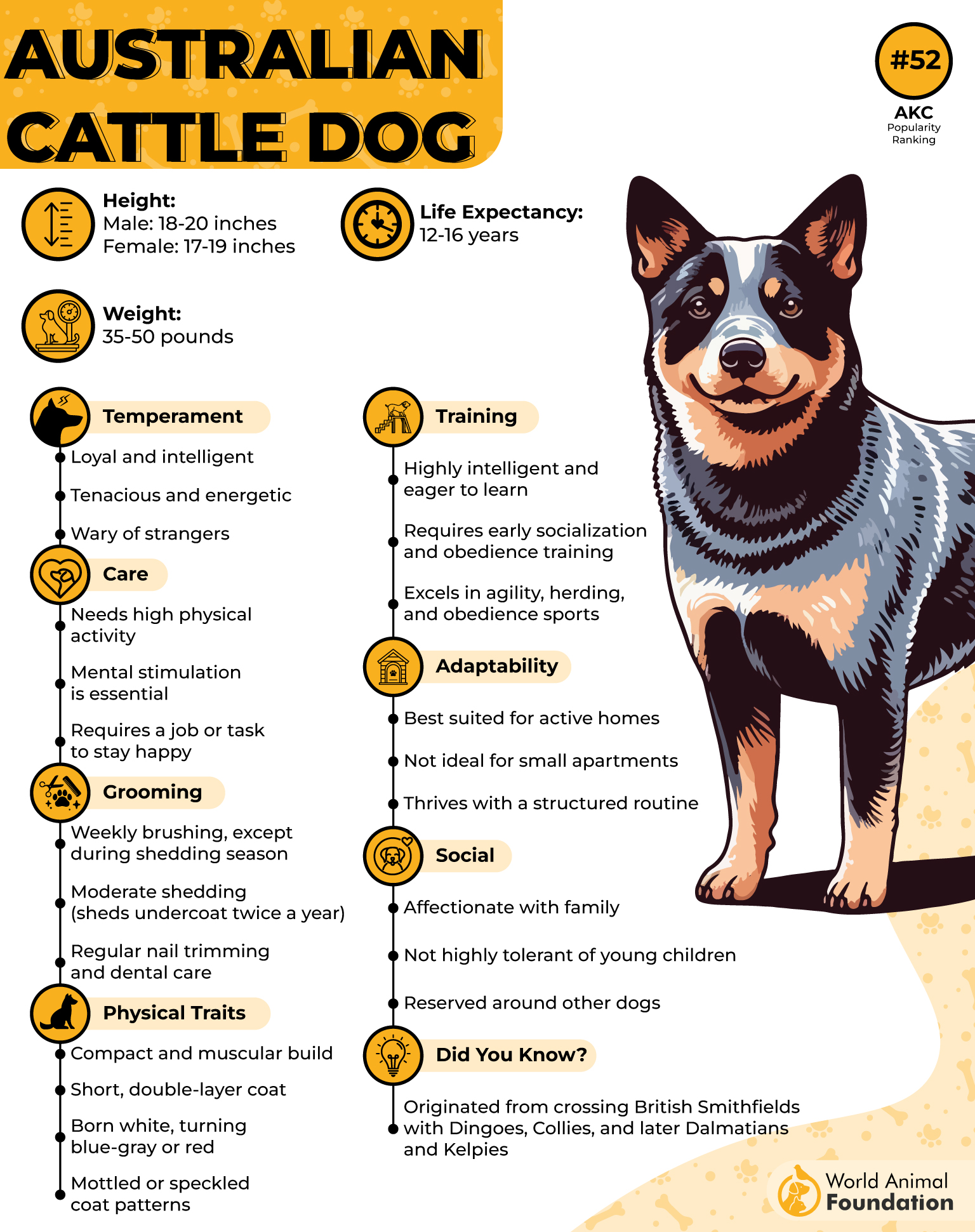
Engaging their minds is just as important as physical exercise. Herding games, obedience drills, and scent detection activities help satisfy their need for mental stimulation and prevent destructive behaviors.
These dogs excel in competitive obedience and working roles. Their ability to retain commands and respond swiftly to cues makes them reliable for advanced training in agility and protection work.
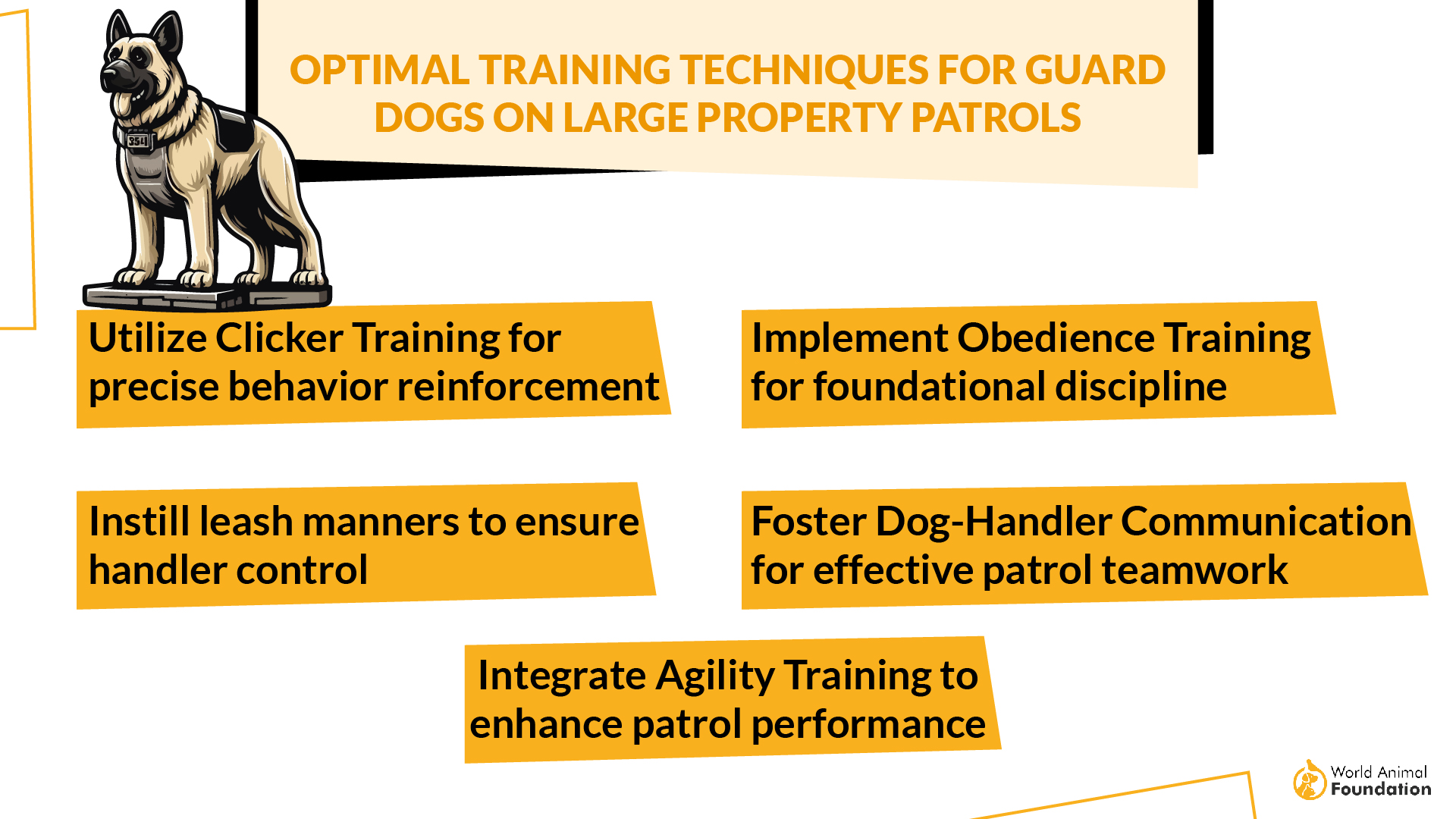
Regular training sessions strengthen their focus and responsiveness. Positive reinforcement, combined with varied tasks, ensures they remain engaged and eager to learn throughout their lives.
Fun Fact
Australian Cattle Dogs have dingo ancestry, which contributes to their endurance, intelligence, and independent problem-solving abilities.
4. Border Collie
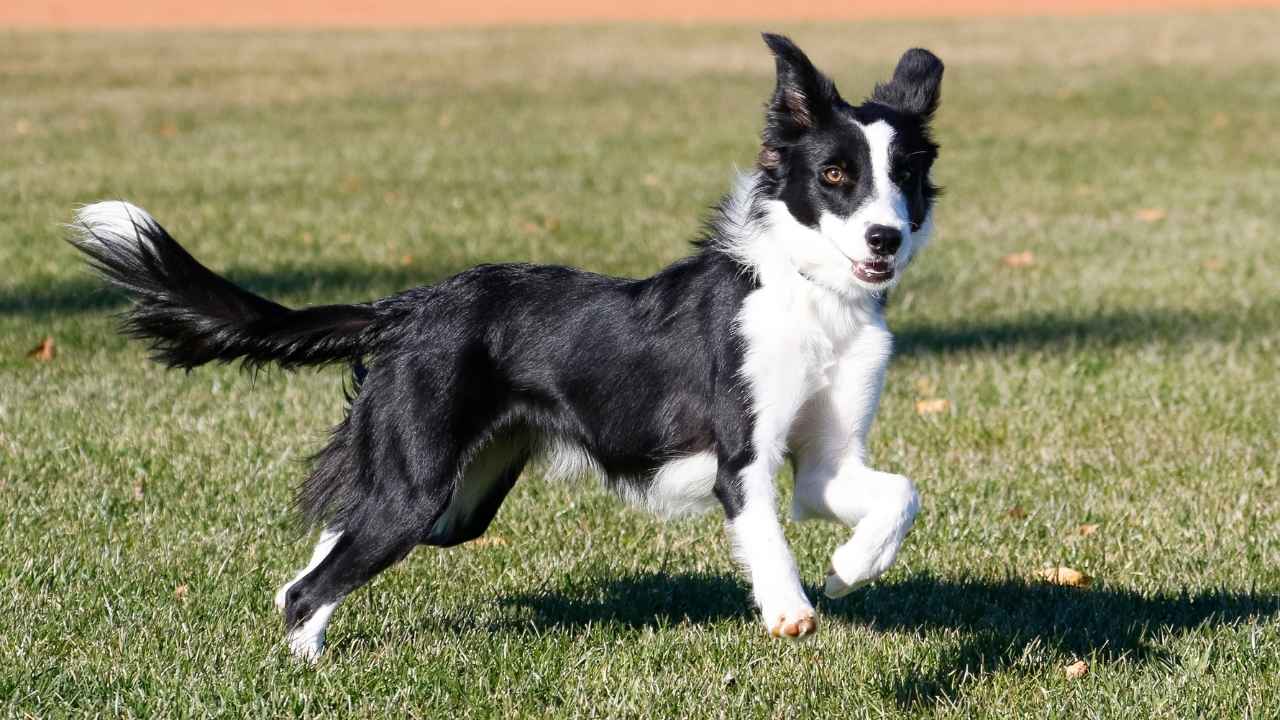
Border Collies are widely regarded as the most intelligent dog breed. Their ability to learn commands quickly and perform complex tasks makes them a favorite in obedience and herding competitions.
They thrive on structured training and challenging tasks. Without sufficient mental stimulation, they may develop behavioral issues due to their high intelligence and problem-solving capabilities.
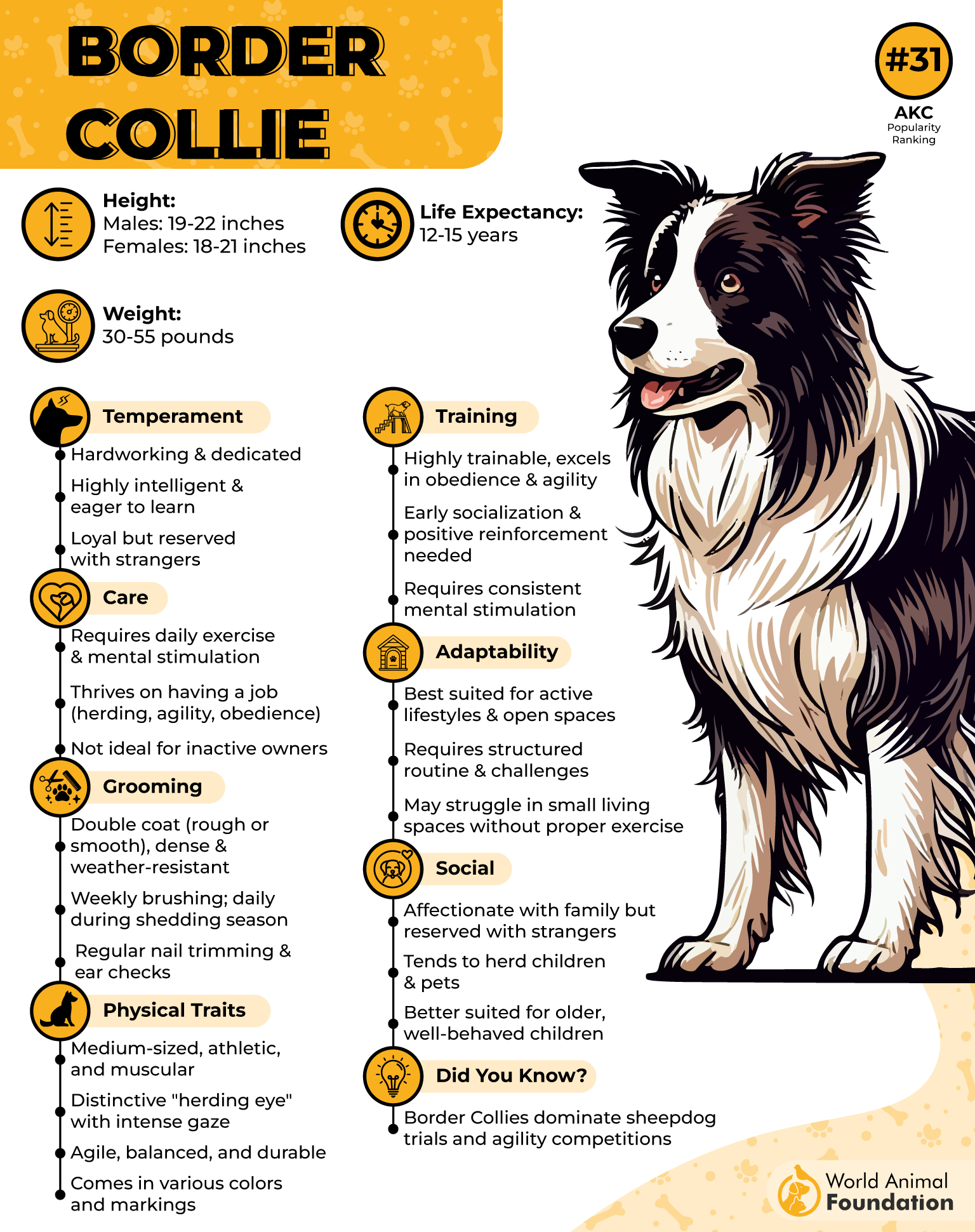
This breed excels in advanced obedience, agility, and search-and-rescue work. Their quick decision-making skills and responsiveness make them highly effective in demanding roles.
Border Collies require an active lifestyle with daily training exercises. Puzzle games, herding activities, and high-energy sports keep them engaged and prevent boredom.
Their remarkable work ethic and eagerness to please make them highly trainable. Regular reinforcement training strengthens their ability to follow commands under various conditions.
Fun Fact
A Border Collie named Chaser learned over 1,000 words, making her one of the most intelligent dogs ever recorded.
5. Rottweiler
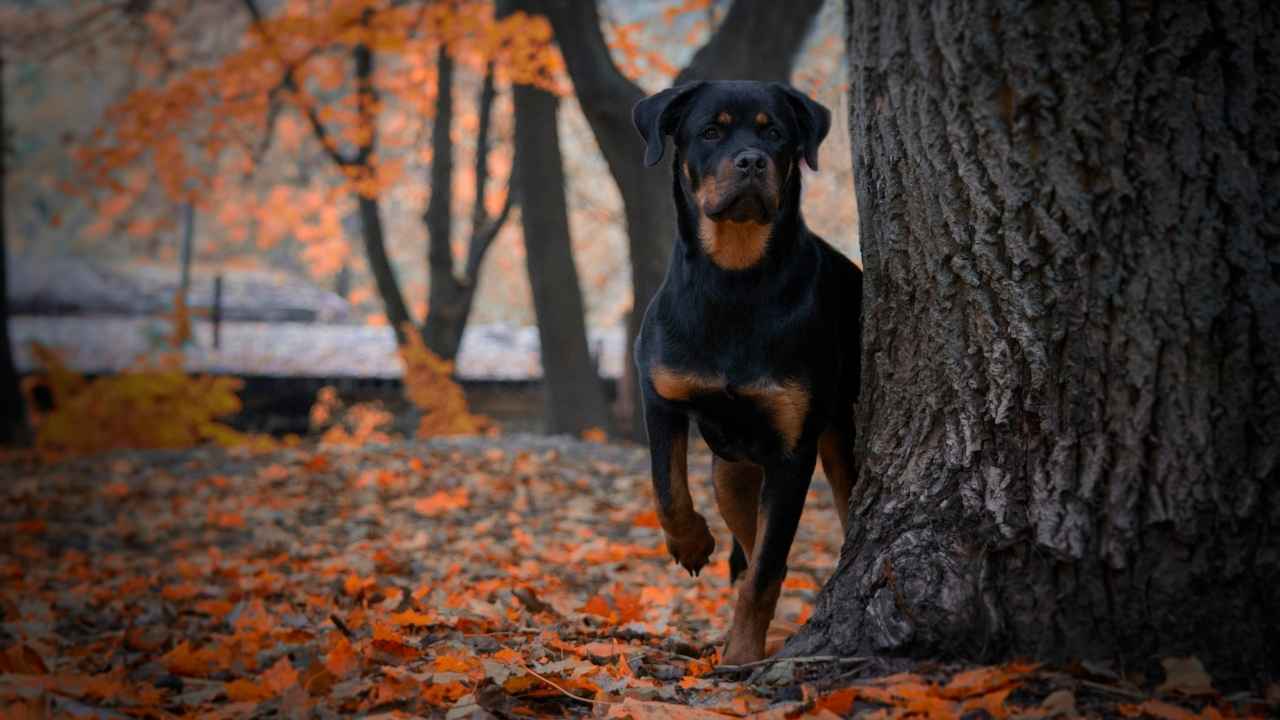
Rottweilers are strong, intelligent, and highly trainable dogs. Their disciplined nature and loyalty make them excellent for security, police work, and obedience training.
They respond best to firm, consistent training methods. Establishing clear leadership early on ensures their training remains effective and prevents dominance-related behaviors.
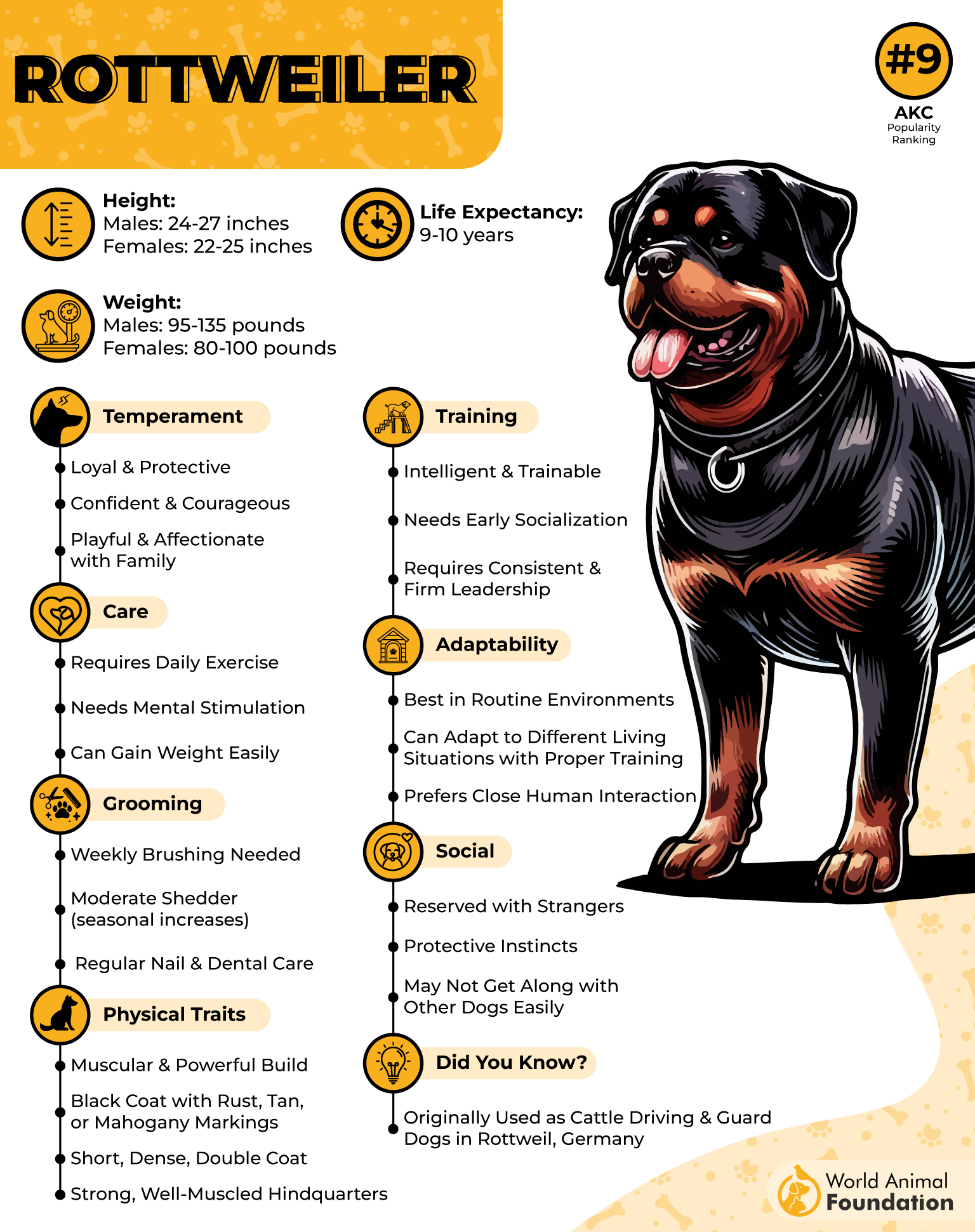
Despite their protective instincts, Rottweilers excel in obedience sports and advanced training. With proper guidance, they can master complex commands and work efficiently in service roles.
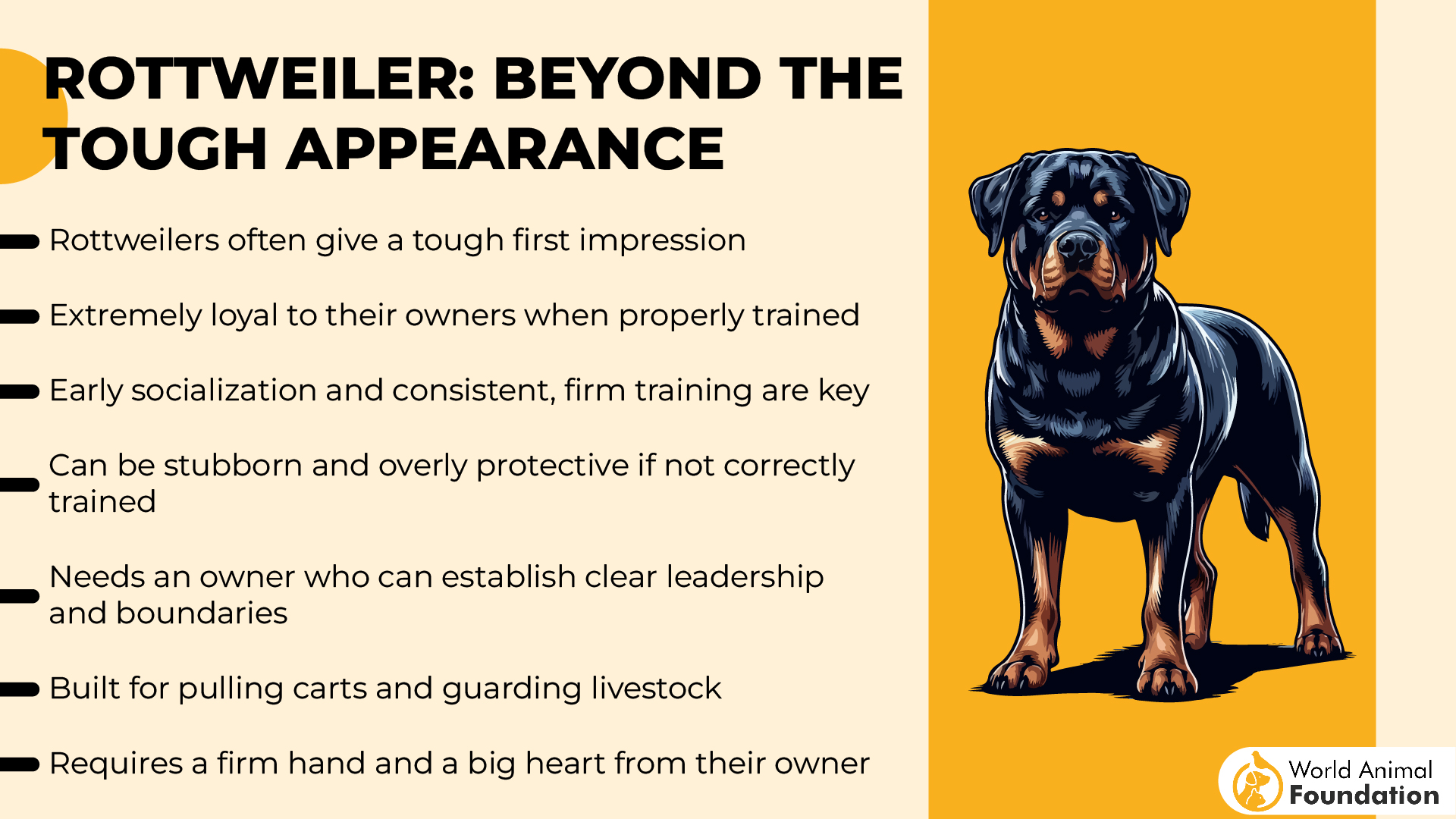
As per PetMD, daily exercise and mental challenges are necessary for this breed. Engaging activities such as agility training, scent work, and structured playtime help keep them balanced and focused.
Their intelligence allows them to pick up commands quickly, making them one of the most trainable working breeds. Consistent reinforcement fosters reliable obedience and discipline.
Fun Fact
Rottweilers were originally used as cattle-driving dogs by Roman soldiers, helping move livestock over long distances.
6. German Shepherd
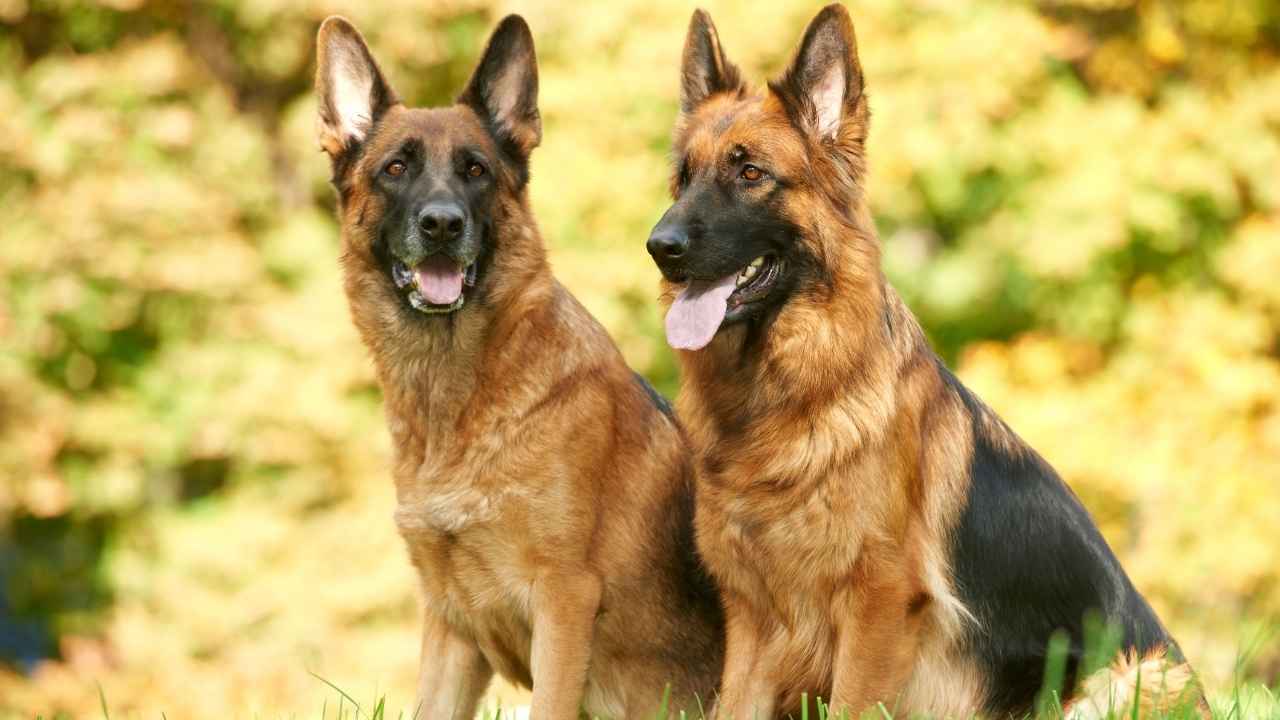
German Shepherds are renowned for their intelligence, obedience, and versatility in training. They excel in police work, search-and-rescue, and competitive obedience trials.
Their eagerness to work makes them highly responsive to training. With structured routines and positive reinforcement, they quickly master commands and specialized tasks.
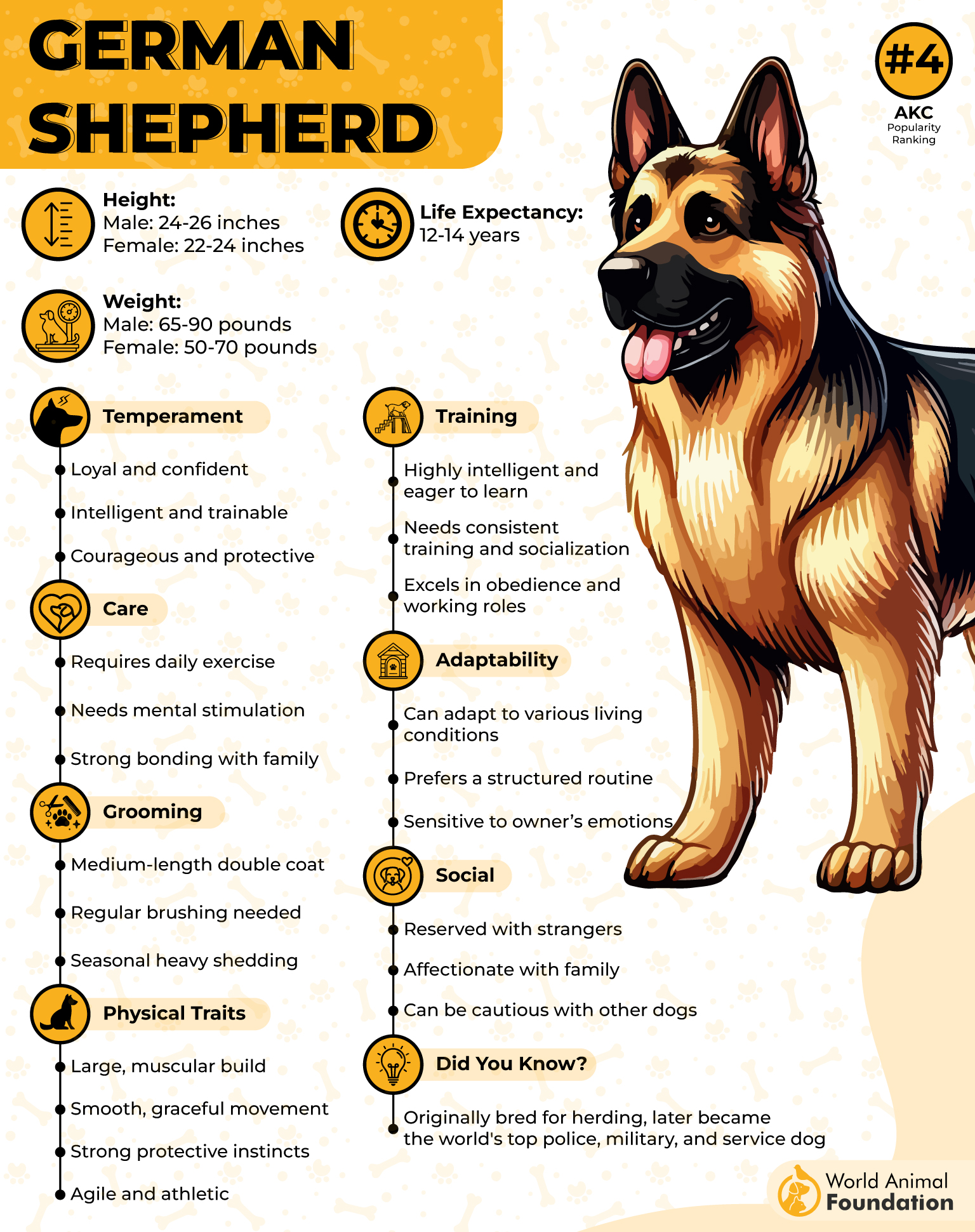
They require a stimulating environment to stay engaged. Advanced training, agility courses, and scent detection activities help maintain their mental and physical well-being.
This breed’s ability to adapt to various roles makes them valuable in military and service work. Their keen sense of duty ensures reliability in high-pressure situations.
Regular training sessions enhance their focus and obedience. Consistency and positive reinforcement strengthen their ability to follow complex commands efficiently.
Fun Fact
German Shepherds were among the first guide dogs for visually impaired individuals, showcasing their intelligence and trainability.
7. Shetland Sheepdog
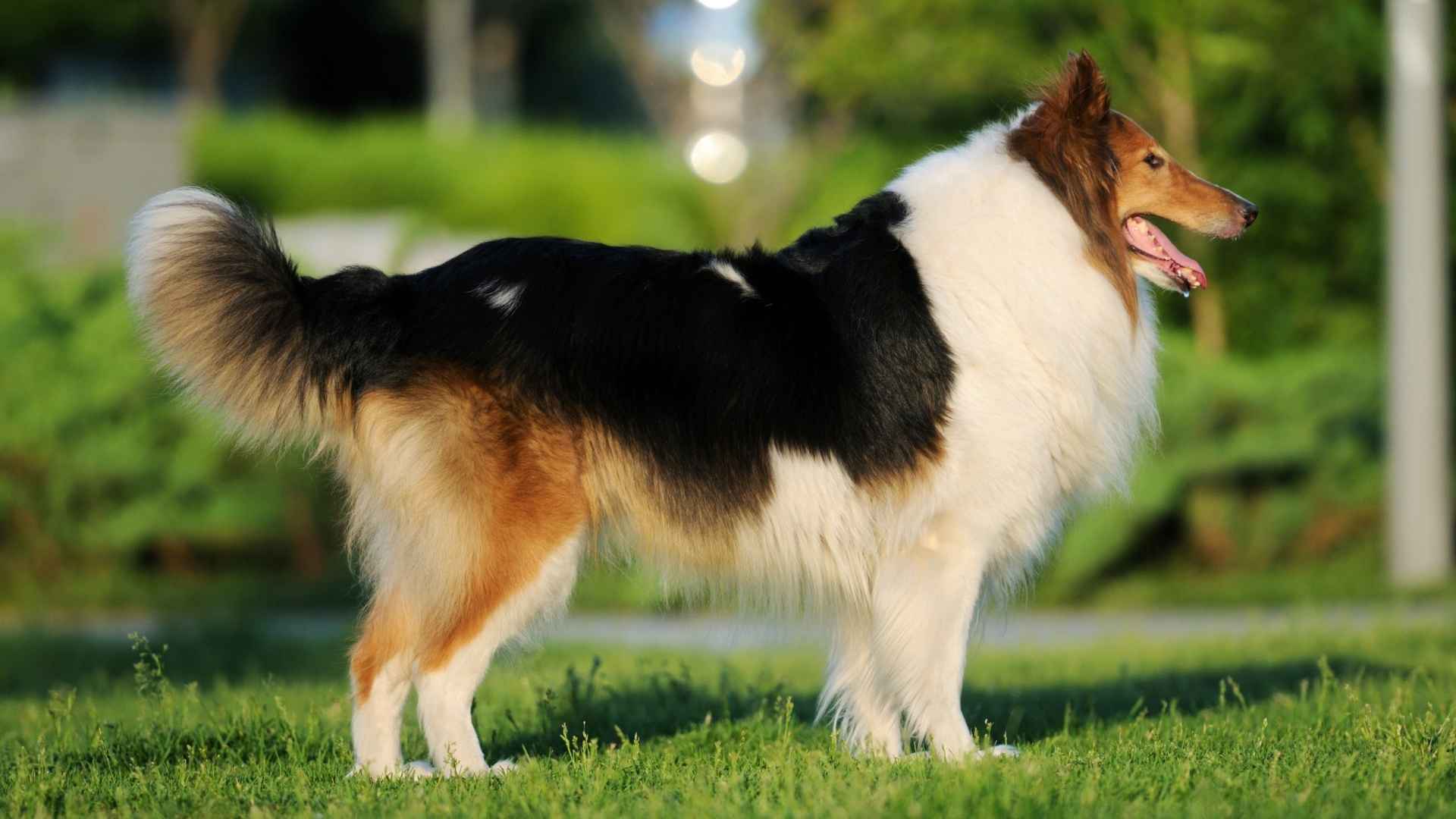
Shetland Sheepdogs are highly intelligent and eager to learn. Their trainability makes them standout performers in obedience, agility, and herding competitions.
They excel in structured training sessions and respond well to positive reinforcement. Their keen intelligence allows them to learn commands quickly and execute tasks with precision.

Purina states that this breed thrives on engaging activities. Trick training, obstacle courses, and problem-solving games help keep their minds stimulated and active.
Their natural herding instincts make them alert and responsive to commands. Proper guidance ensures they remain disciplined and focused in training environments.
Consistent training strengthens their obedience and responsiveness. Keeping sessions varied and rewarding helps maintain their enthusiasm for learning.
Fun Fact
Shetland Sheepdogs are known for their incredible speed and agility, often ranking high in competitive dog sports.
Conclusion
Very trainable dog breeds excel in obedience, agility, and specialized tasks due to their intelligence and eagerness to learn. Some other highly trainable dog breeds like the Labrador Retriever, Australian Shepherd, Miniature Schnauzer, German Shepherd Dog, and Doberman Pinscher excel in obedience, agility, and specialized tasks due to their intelligence and strong work ethic.
Many herding breeds, such as the Border Collie, are particularly responsive due to their natural drive to work. Their ability to perform complex tasks makes them ideal for various roles, from herding dogs to protection work.
Proper training, mental stimulation, and structured routines ensure that their skills remain sharp. Owners must commit to positive reinforcement techniques for the best results. Choosing a highly trainable breed depends on lifestyle, experience, and training dedication. With the right approach, these dogs showcase exceptional learning abilities and adaptability.
