
Flexible PCB Printers
When it comes to wearables, a lot goes on under the hood. From fitness trackers that conform to your wrist’s shape to medical devices that deliver life-saving treatments, there are countless demands on these small electronics. These devices must operate reliably despite dynamic stresses, like repeated flexing. This is only possible with a flexible PCB (PCB) that can meet the device’s stringent design requirements.
With the growth of wearable technology, flex circuits are becoming a critical component in modern electronics. They offer unparalleled durability, bendability and a space-saving design that opens up new possibilities for product integration. In fact, flex circuits are enabling new wearables that can monitor and interact with the body.
A flexible pcb printer is a specialized tool that can produce this unique technology. In this article, we’ll take a closer look at what makes these tools suitable for wearables. We’ll explore their manufacturing processes, advantages and disadvantages, and current market trends. We’ll also cover some of the latest innovations in these technologies that are making them even more powerful and affordable.
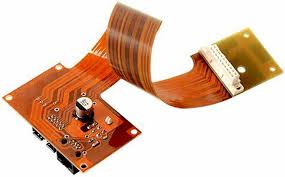
Flexible PCB Printers for Wearable Electronics
A flex PCB is an electronic circuit board that incorporates copper traces and other components on a thin, lightweight substrate. These flex circuits have a range of applications, from consumer electronics to industrial equipment. They can also be used in dynamic applications, such as mobile phones and automotive electronics.
The manufacturing process for a flex circuit begins with etching the copper foil. This step is crucial because it determines the thickness of the copper, as well as its conductivity. The etched foil is then laminated to the substrate along with other layers, such as the dielectric and adhesive. Depending on the application, additional features, such as plated through holes (PTH), are added. The final steps of the production process include lamination, inspection and packaging.
Due to their complex nature and unique properties, flex circuits must be assembled in a different way than conventional rigid PCBs. This requires a specialized set of fixtures and special tooling that ensure pad stability and precise positioning during pick-and-place operations. In addition, flex circuits must be coated with protective layers to ensure resistance to environmental factors and chemical immersion.
Fortunately, innovations in laser direct imaging, roll-to-roll lamination and conductive inks have made the manufacturing process for a flex PCB more efficient. This has allowed for higher production speeds and improved product quality. For example, LDI technology enhances trace patterning accuracy, which is essential for dense circuit designs. Meanwhile, roll-to-roll lamination allows for the efficient processing of multiple FPC layers. This means that you can make a complete wearable device faster and more affordably. Moreover, advances in conductive inks have made it possible to anchor even the smallest components to a flex circuit. This has opened the door to a new generation of wearables that conform seamlessly to your body and move with you. This will allow for smarter, more versatile products that can monitor and improve your health.
